Multiple dent repair is prioritized by addressing structural and safety-related damage first, then moving to cosmetic dent work in a defined sequence. Repair shops like D&D Collision Center and Super PDR follow a triage workflow that groups dents by severity, paint condition, and location before any tool touches the metal. Understanding how multiple dent repair is prioritized helps you ask the right questions, set realistic timelines, and protect both your car's safety and its resale value.
How multiple dent repair is prioritized: the core criteria
Repair shops prioritize structural damage before any cosmetic dent work. Frame misalignment and collision damage affect vehicle stability and crash protection. Fixing cosmetic dents on an unstable frame wastes time and money because heavy metal work can create new stress dents in areas already repaired.
The triage process then moves to cosmetic damage. Technicians sort dents into groups based on four factors:
- Paint condition: Dents with intact factory paint are prime candidates for paintless dent repair (PDR). Dents with chips, cracks, or scratches require traditional body shop methods.
- Dent size and depth: Shallow, small dents are addressed with PDR first. Deep or stretched metal requires conventional repair.
- Location on the vehicle: Dents on visible panels like doors, hoods, and fenders are prioritized for aesthetic reasons. Dents on less visible areas like the undercarriage are lower priority.
- Proximity to edges and body lines: Dents near edges or sharp creases are flagged for secondary review because PDR cannot reliably restore metal in those zones.
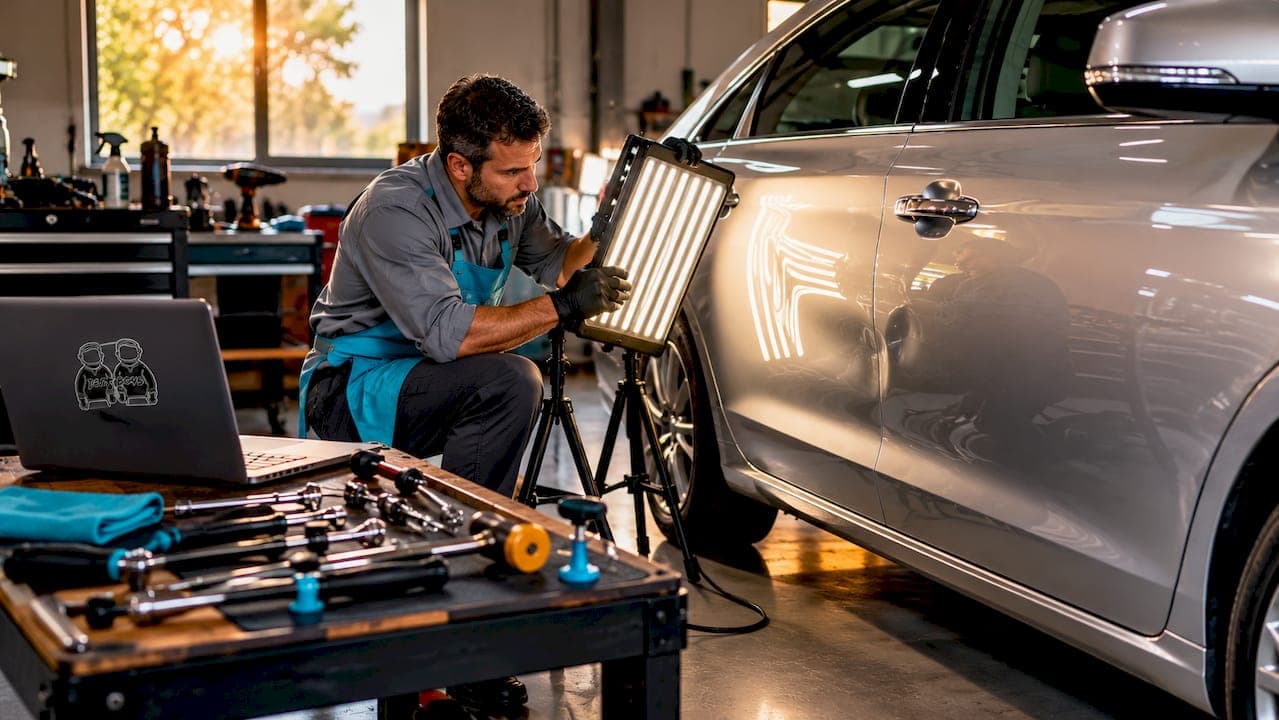
Technicians use light boards and specialized inspection lamps to read the surface of each dent. This tool reveals depth, crease sharpness, and paint stress that the naked eye misses. The result is a ranked repair list before any work begins.
Pro Tip: Ask your technician to show you the light board inspection results. Seeing the dent map helps you understand why certain repairs are scheduled before others.
What is the correct sequence for structural and cosmetic repairs?
Structural and frame repairs come first in every professional repair sequence. This is not a preference. It is a safety requirement backed by OEM procedures from manufacturers like Ford, Toyota, and GM.
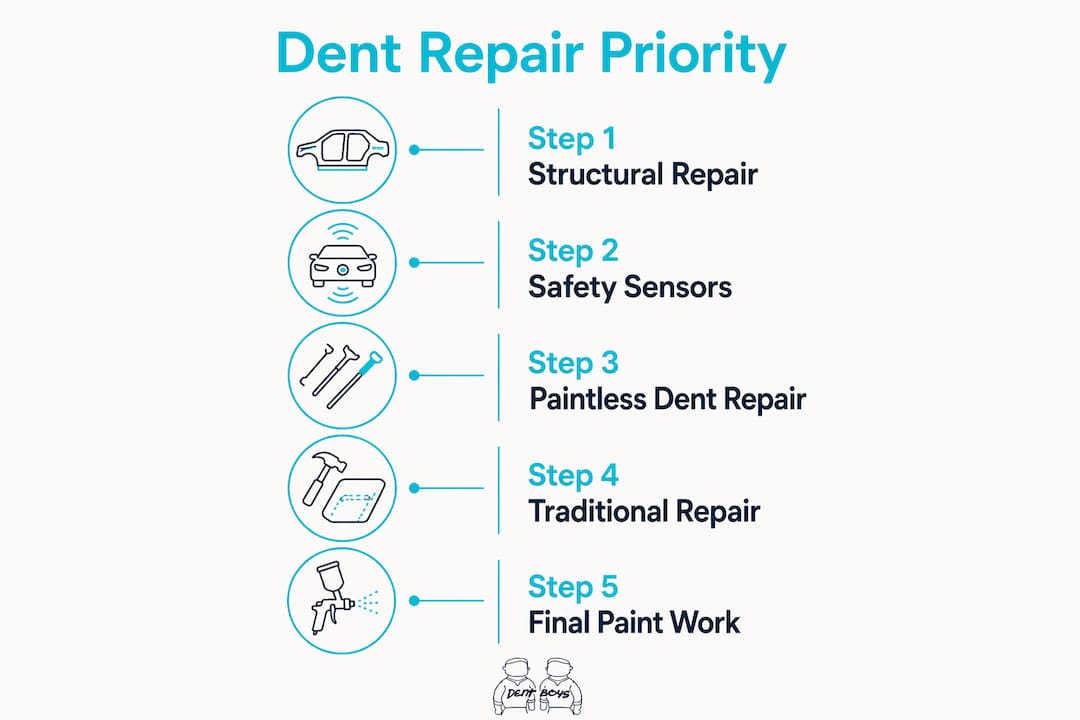
The standard repair sequence works like this:
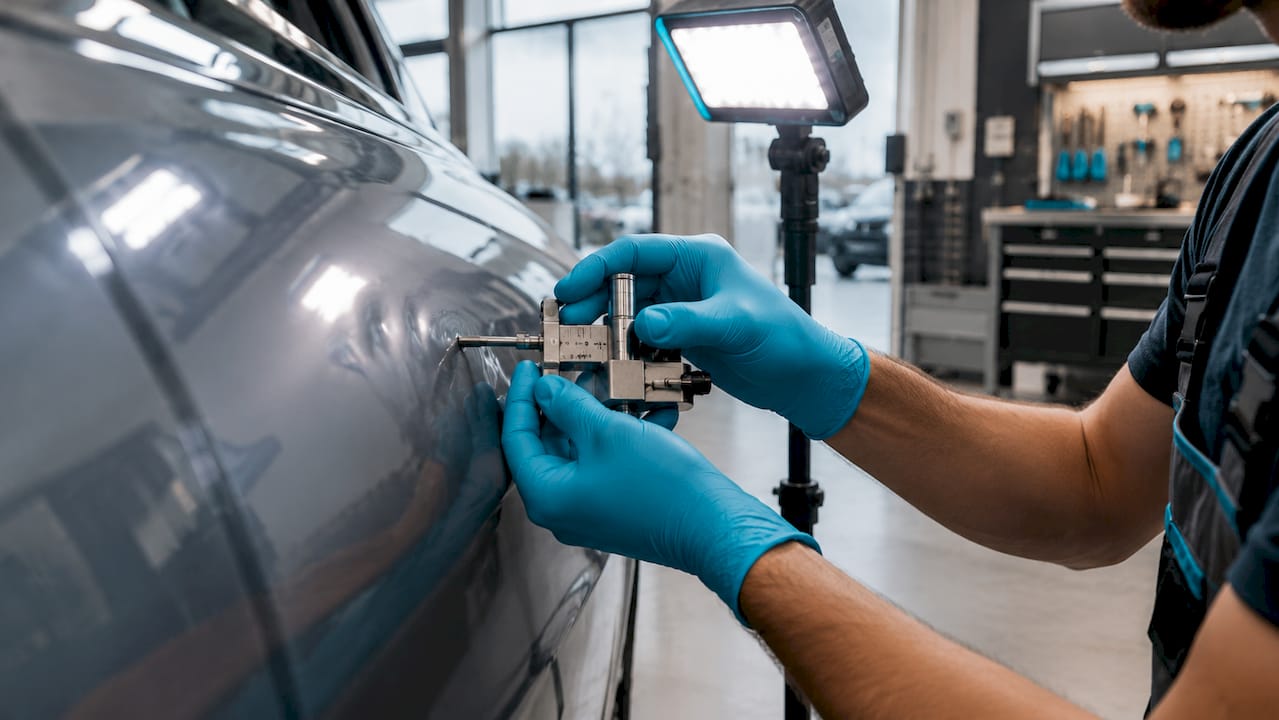
- Frame and structural repair: Technicians use frame straightening equipment to restore the vehicle's geometry. This step stabilizes the entire body shell.
- Heavy metal work: Panels with severe damage are pulled, hammered, or replaced. This work creates vibration and stress that would undo any PDR already completed.
- ADAS and safety sensor recalibration: Advanced driver assistance systems, including lane departure sensors and automatic braking cameras, must be recalibrated after structural work. Skipping this step leaves safety systems misaligned.
- Cosmetic PDR and hail repair: With the structure stable and sensors calibrated, technicians address shallow dents using PDR tools. The stable surface allows precise, repeatable results.
- Paint and finishing: Any dents requiring filler, primer, or paint are completed last to avoid contaminating PDR work areas.
"Heavy metal work can cause stress dents if done after PDR. Doing it first stabilizes the vehicle for precise cosmetic repairs." — D&D Collision Center
Combining structural and cosmetic repairs at one shop shortens total vehicle downtime. Splitting the work between two shops adds scheduling gaps and risks inconsistent color matching. One coordinated repair sequence produces a better outcome in less time.
PDR vs. traditional dent repair: which method gets prioritized?
The repair method chosen for each dent directly affects the order of repairs. PDR and traditional body repair are not interchangeable. Each has a defined role in the multiple dent repair process.
| Factor | Paintless Dent Repair (PDR) | Traditional Body Repair |
|---|---|---|
| Best for | Shallow dents, intact paint, no creases | Deep dents, creased metal, paint damage |
| Cost | Lower, no materials needed | Higher, requires filler and paint |
| Time | Hours per panel | Days per panel |
| Finish quality | Preserves factory paint | Color match varies |
| Repair sequence position | After structural work, before paint | After structural work, concurrent with paint |
PDR is preferred for shallow, non-creased dents with intact factory paint. This preference is not just about cost. PDR preserves the original finish, which protects resale value better than repainted panels. A repainted panel, even with a perfect color match, is detectable during a pre-purchase inspection and lowers trade-in offers.
Traditional repair is required when metal is sharply creased, stretched, or when paint has cracked. Attempting PDR on these dents produces an uneven surface. Technicians at shops like Super PDR flag these dents during the initial light board inspection and route them directly to the body repair workflow.
Hail damage is the most common scenario where PDR prioritization is applied at scale. A single hailstorm can leave dozens of shallow dents across a hood, roof, and trunk. Shallow hail dents with factory paint are all PDR candidates, and technicians work panel by panel in a systematic grid pattern to restore the surface without a single drop of paint.
Pro Tip: If your car has both collision damage and hail damage, tell your shop upfront. Shops that handle both repair types can sequence the work correctly and avoid scheduling conflicts between the frame technician and the PDR technician.
What should car owners expect during the multiple dent repair process?
The multiple dent repair process starts with a full vehicle inspection, not a quick look at the obvious damage. Cosmetic dents do not affect drivability, but unaddressed paint damage leads to rust, and ignored structural damage is a direct safety risk. A thorough inspection documents every dent before prioritization begins.
Here is what to expect and how to protect your outcome:
- Request a written damage report: A good shop provides a ranked list of repairs with the method assigned to each dent. This document is your reference point if questions arise later.
- Ask about OEM procedures: OEM-guided repair steps verify structural integrity and sensor recalibration before cosmetic work begins. Shops that follow OEM procedures produce safer, more consistent results.
- Confirm repair sequencing before drop-off: Ask whether structural and cosmetic work will be done in the correct order. A shop that cannot explain its sequencing process is a red flag.
- Understand timeline expectations: Structural repairs take longer than PDR. A car with both frame damage and hail dents may need several days in the shop. PDR-only jobs for hail damage are often completed within one to two days.
- Choose a one-stop shop when possible: Handling both structural and cosmetic repairs under one roof eliminates handoff errors, simplifies insurance coordination, and produces consistent color matching.
Avoid the common mistake of asking a PDR-only shop to handle a car with structural damage. PDR technicians are not frame technicians. Sending a structurally compromised vehicle to a PDR-only shop risks missing safety issues that affect crash protection.
Key Takeaways
Multiple dent repair prioritization follows a fixed sequence: structural safety first, then cosmetic PDR, then paint, with method selection driven by paint condition and dent depth.
| Point | Details |
|---|---|
| Structural damage comes first | Frame and safety sensor repairs must precede all cosmetic dent work. |
| Triage by paint and depth | Dents with intact paint and no creases are prioritized for PDR. |
| PDR before paint finishing | PDR is completed after structural work but before any filler or paint application. |
| One shop reduces errors | Combined structural and cosmetic repair shortens downtime and improves color consistency. |
| OEM procedures protect you | Shops following OEM repair sequences verify safety systems before cosmetic finishing. |
Why the order of repairs matters more than most car owners realize
Most car owners focus on the cosmetic result. They want the dents gone and the car looking new. That goal is completely reasonable. What surprises most people is how much the repair sequence affects whether that result holds up over time.
I have seen cars come out of shops looking perfect on the surface, only to develop paint cracking or panel misalignment within months. The cause is almost always the same: cosmetic work was done before structural repairs were complete. The body panels were not stable when the PDR technician worked them, and the metal shifted slightly as the frame settled.
The shops that get this right treat the repair sequence as non-negotiable. They do not let a customer's urgency push PDR work ahead of frame alignment. They explain the process clearly, and they stick to it. That discipline is what separates a repair that lasts from one that looks good for six months.
My advice to any car owner managing multiple dents is to ask one direct question before you commit to a shop: "Can you walk me through the order you will repair these dents and why?" A technician who can answer that question confidently, citing structural work before cosmetic work, is a technician you can trust with your car.
— Martin
Dent-boys and the right approach to multiple dent repairs
When your car has multiple dents, you need a team that understands repair sequencing, not just a shop that owns PDR tools.

Dent-boys specializes in auto hail repair and coordinates the full repair process from initial inspection through final finish. Their technicians assess every dent, assign the correct repair method, and follow the proper sequence so structural integrity is never compromised for the sake of speed. Dent-boys offers free estimates, pick-up and delivery, a $0 deductible option, and a lifetime warranty on repairs. If your car has taken a beating from hail or parking lot damage, Dent-boys gives you a clear repair plan and a car that comes back looking like it just left the factory.
FAQ
What gets repaired first when a car has multiple dents?
Structural and frame damage is always repaired first. Cosmetic dent repairs, including PDR for hail damage, follow only after the vehicle's structure is stable and safety sensors are recalibrated.
Can PDR fix all types of dents?
PDR works on shallow dents with intact factory paint and no sharp creases. Dents with cracked paint, stretched metal, or damage along body lines require traditional body shop repair instead.
How does paint condition affect dent repair prioritization?
Dents with intact paint are prioritized for PDR because the method preserves the original finish. Dents with paint chips or cracks are routed to traditional repair and scheduled after PDR work is complete.
Does fixing cosmetic dents affect vehicle safety?
Cosmetic dents do not affect drivability or safety, but they lower resale value and can lead to rust if paint is damaged. Structural damage is the safety concern that must be addressed first.
Why should structural and cosmetic repairs be done at the same shop?
Combining both repair types at one shop reduces total repair time, prevents sequencing errors, and produces consistent color matching across all repaired panels.