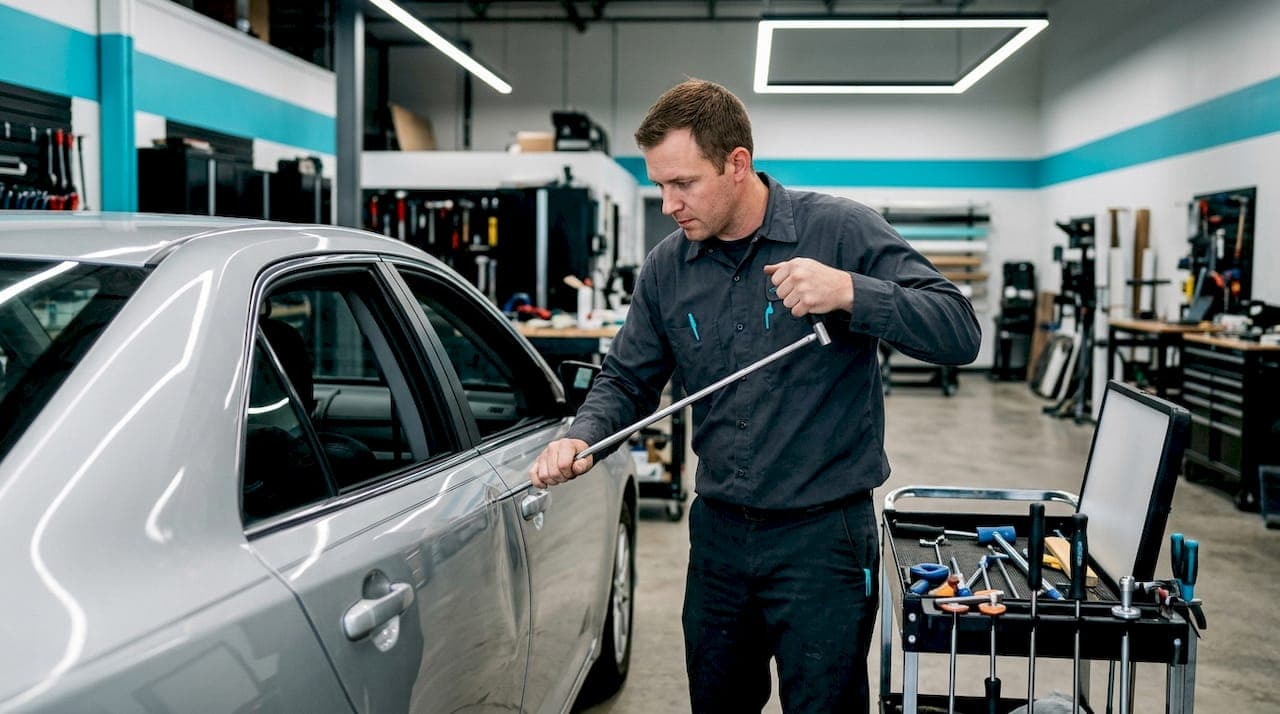
PDR certification is the formal credential that confirms a technician is trained and qualified to perform paintless dent repair, a method that restores dents without sanding, filling, or repainting. The credential matters because it separates verified professionals from self-taught operators whose work quality is impossible to predict. If you are exploring a career in auto body repair or want to understand what makes a PDR technician trustworthy, this guide covers the full picture: what the certification involves, why it matters, and exactly how to get it.
What is PDR certification explained: core definition and purpose
PDR certification is a structured credential that validates a technician's ability to perform paintless dent repair to a recognized professional standard. Paintless dent repair, commonly called PDR, is the process of manipulating sheet metal back to its original shape using specialized metal rods, picks, and lever tools without touching the factory paint. The technique is non-destructive by design. That means no sanding, no body filler, and no repainting.
The certification process exists because PDR looks deceptively simple but demands precise hand skills and sharp judgment. A technician who applies too much pressure or works a panel with compromised paint integrity can cause more damage than the original dent. I-CAR classifies PDR as a unique repair category requiring its own dedicated certification, separate from general refinishing or structural repair credentials. That classification reflects how technically distinct the skill set really is.
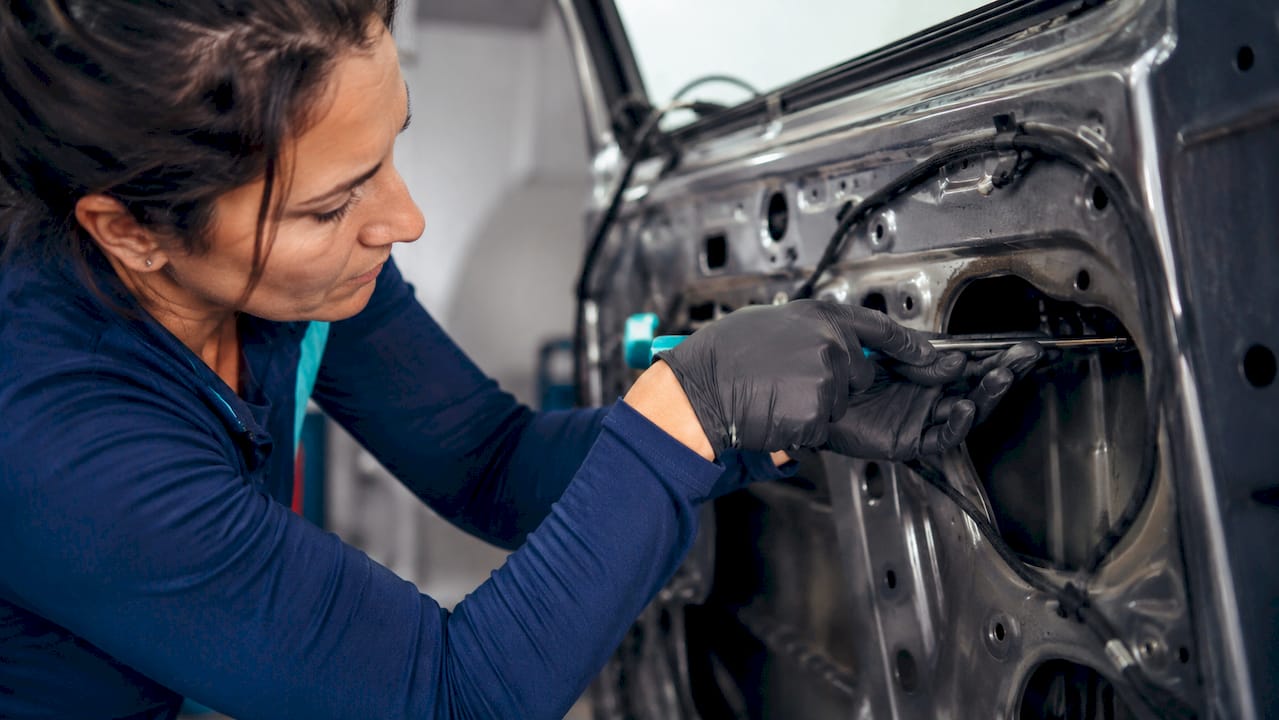
Certification also teaches technicians when not to use PDR. Training programs teach assessment of panel access, dent geometry, and paint condition to determine whether PDR is appropriate or whether conventional repair is the safer choice. That judgment call is just as important as the physical repair skill itself.
What do PDR certification requirements actually cover?
PDR certification requirements typically combine classroom theory, hands-on practice, and a formal competency exam. The structure varies by program, but the core components are consistent across reputable providers.
A standard PDR certification program covers:
- Theory and fundamentals. Students learn metal behavior, tool mechanics, and the physics of panel restoration. This foundation prevents guesswork during live repairs.
- Hands-on practice. Trainees work on real panels under supervision, progressing from simple shallow dents to complex creases and high-crown damage.
- Finish control training. Standardized lighting and checklists are used to evaluate whether a repaired panel meets pass/fail quality thresholds. This is the most technically demanding part of the exam.
- Inspection routines. Candidates learn to use consistent lighting positions and repeatable evaluation steps so their quality assessments match industry standards every time.
- Practical exam. Candidates perform live dent repairs on test panels. Examiners score the result against standardized criteria for shape restoration, surface texture, and line accuracy.
Certification levels add another layer of structure. Programs like Vale Training Solutions offer tiers such as Craftsman and Master Craftsman. Testing segments transfer between levels, meaning a technician who passes certain exam sections at the Craftsman level can carry those results forward when pursuing Master Craftsman status. That design rewards incremental progress rather than forcing candidates to start over.
Pro Tip: Before enrolling in any program, ask the provider whether their certification is recognized by insurance carriers and collision repair networks. Recognition by insurers directly affects how much work you can access after you earn the credential.
Finish control deserves special attention because it is the most common failure point in certification exams. Repeatable workflows and stable lighting prevent the kind of finish inconsistencies that separate a professional result from an amateur one. Even experienced technicians can disagree on repair quality without a standardized lighting setup and a defined pass/fail workflow.
Why does PDR certification matter for technicians and customers?
PDR certification signals verified skill to auto body shops, insurance adjusters, and vehicle owners. That signal has real financial value. Certified technicians access more job opportunities, command higher rates, and face fewer disputes over repair quality.
The benefits break down clearly on both sides of the transaction:
- For technicians: Certification validates your skill to employers and insurers. It supports career advancement from entry-level technician to shop owner or independent mobile operator. Certified professionals working with ASE and RepairPal standards show that credentialed auto repair technicians consistently achieve better outcomes and fewer callbacks than non-certified counterparts.
- For customers: A certified technician reduces the risk of paint damage, panel distortion, or a repair that looks worse after a few weeks. Certification means the technician has been tested against a defined standard, not just self-assessed.
- For insurance claims: Insurers increasingly require certified technicians for approved PDR work. A non-certified technician may complete a repair that looks fine initially but fails to meet the documentation standards insurers need to close a claim cleanly.
"Certification training teaches technicians to recognize PDR's limits and select when conventional repair is necessary." — National Collision Authority
Non-certified work creates specific, predictable problems. A technician without formal training may attempt PDR on a panel with cracked or thinning paint, causing the paint to fracture during the repair. They may also over-work a dent, leaving a high spot or a ripple that is visible in direct light. These outcomes destroy customer trust and generate costly rework. Certification reduces that risk by ensuring the technician has been evaluated before they work on a paying customer's vehicle.
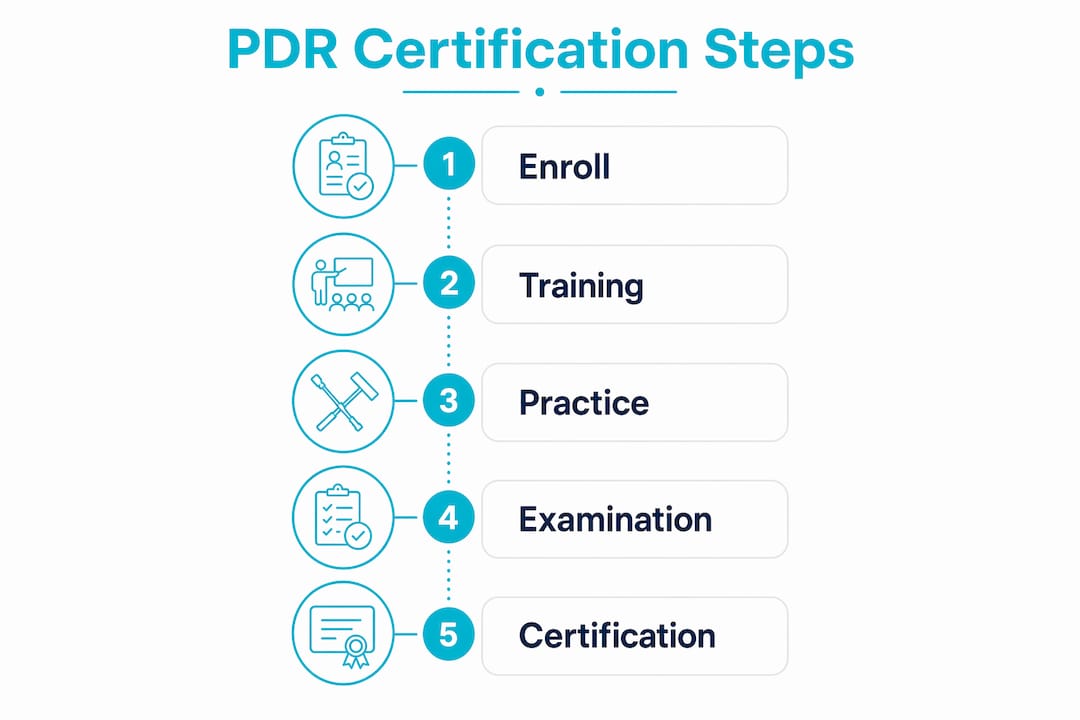
How to get PDR certified: a step-by-step process
Getting PDR certified follows a clear path. The steps below apply to most reputable programs in 2026.
- Assess your starting point. Prior auto body experience helps but is not always required. Some programs accept complete beginners; others require basic knowledge of vehicle panels and paint systems. Check prerequisites before applying.
- Choose a certified training school. Reputable school certification guarantees training meets established quality and professionalism standards. Informal or unregulated training is considered less valuable by shops and insurers. Look for programs affiliated with I-CAR, Vale Training Solutions, or manufacturer-specific credentialing bodies.
- Complete the training program. Programs range from a few weeks to several months depending on the level you are pursuing. Expect a mix of classroom instruction and hands-on panel work. Log your practice hours carefully because many exams require documented proof of training time.
- Apply for the certification exam. Submit your application, training records, and any required fees to the certifying body. Exam formats vary: some are fully practical, others include a written theory component alongside the hands-on assessment.
- Pass the practical exam. You will repair designated dents on test panels under examiner observation. Judges evaluate shape restoration, finish quality, and whether your inspection process follows the standardized checklist.
- Maintain and advance your certification. Most programs require periodic renewal through continuing education or re-examination. If you are pursuing a higher tier like Master Craftsman, your passing segments from earlier exams may transfer, reducing the total exam load.
Pro Tip: Practice finish control specifically before your exam. Set up a consistent light source at a fixed angle and run through your inspection checklist on every practice panel. Examiners score finish control heavily, and it is the skill most candidates underestimate.
Mobile PDR workflow success depends on fast setup, organized tools, consistent lighting, and repeatable evaluation. Practicing your mobile workflow before the exam builds the speed and consistency examiners expect from a professional-level candidate.
How do major PDR certification programs compare?
The three most recognized PDR certification pathways in the U.S. are I-CAR, Vale Training Solutions, and manufacturer-specific programs. Each serves a different type of candidate.
| Program | Duration | Levels Offered | Exam Format | Industry Recognition |
|---|---|---|---|---|
| I-CAR PDR | Varies by role | Role-based tiers | Written and practical | Widely accepted by insurers and shops |
| Vale Training Solutions | Weeks to months | Craftsman, Master Craftsman | Practical with segment transfer | Strong among independent technicians |
| Manufacturer-specific | Days to weeks | Brand-specific tiers | Practical, brand-supervised | Required for OEM-authorized repairs |
I-CAR is the broadest credential. Insurers and collision repair networks across the country recognize it, which makes it the most practical choice for technicians who want to work with insurance-approved claims. Vale Training Solutions offers more granular skill tiers and the segment transfer system, which suits technicians who want to build credentials incrementally. Manufacturer-specific programs, offered by automakers like Ford or BMW, are required for technicians working on those brands under OEM repair authorization.
Curriculum focus also differs. I-CAR emphasizes standardized workflows and documentation. Vale Training Solutions focuses heavily on finish control and practical skill progression. Manufacturer programs prioritize brand-specific panel materials and repair tolerances.
Cost varies widely. I-CAR courses are often subsidized through shop memberships. Vale Training Solutions programs are priced per course and per exam. Manufacturer programs are sometimes offered at no cost to authorized dealership technicians but require dealership affiliation to access.
Key takeaways
PDR certification is the most reliable way to verify that a technician can perform paintless dent repair to a consistent, inspectable standard recognized by insurers, shops, and customers.
| Point | Details |
|---|---|
| PDR certification defined | It validates a technician's skill in restoring dents without damaging factory paint. |
| Core requirements | Programs combine theory, hands-on practice, finish control training, and a practical exam. |
| Certification levels | Programs like Vale Training Solutions offer Craftsman and Master Craftsman tiers with segment transfer. |
| Career and income impact | Certified technicians access more insurance-approved work and command higher rates than non-certified peers. |
| Program selection matters | I-CAR, Vale Training Solutions, and manufacturer programs each serve different career paths and recognition needs. |
Why i think certification is the dividing line in PDR quality
I have spent years watching the PDR industry from the inside, and the single clearest predictor of repair quality is whether the technician went through a formal certification process. Not years of experience. Not the brand of tools they carry. Certification.
Here is what most articles on this topic miss: the value of certification is not the certificate itself. It is the standardized inspection workflow that certification forces you to learn. Without standardized lighting and a defined pass/fail checklist, even skilled technicians disagree on whether a repair is finished. That ambiguity is where quality falls apart.
The industry is moving fast in 2026. Hail events are more frequent, vehicle panels are using more aluminum and high-strength steel, and insurance carriers are tightening documentation requirements. Non-certified technicians are getting squeezed out of insurance-approved work not because they lack skill, but because they cannot produce the standardized documentation that carriers demand.
My honest view: if you are serious about PDR as a career, certification is not optional. It is the entry fee for the professional tier of this industry. The technicians I have seen build sustainable businesses all share one thing. They got certified early, they maintained their credentials, and they built their reputation on repeatable, inspectable results.
— Martin
How Dent-boys can help you take the next step
Dent-boys works with a network of certified PDR technicians who follow the same standardized inspection and finish control workflows that certification programs require. Every repair comes backed by a lifetime warranty, a $0 deductible process, and free pick-up and delivery so the experience is as straightforward as the repair itself.
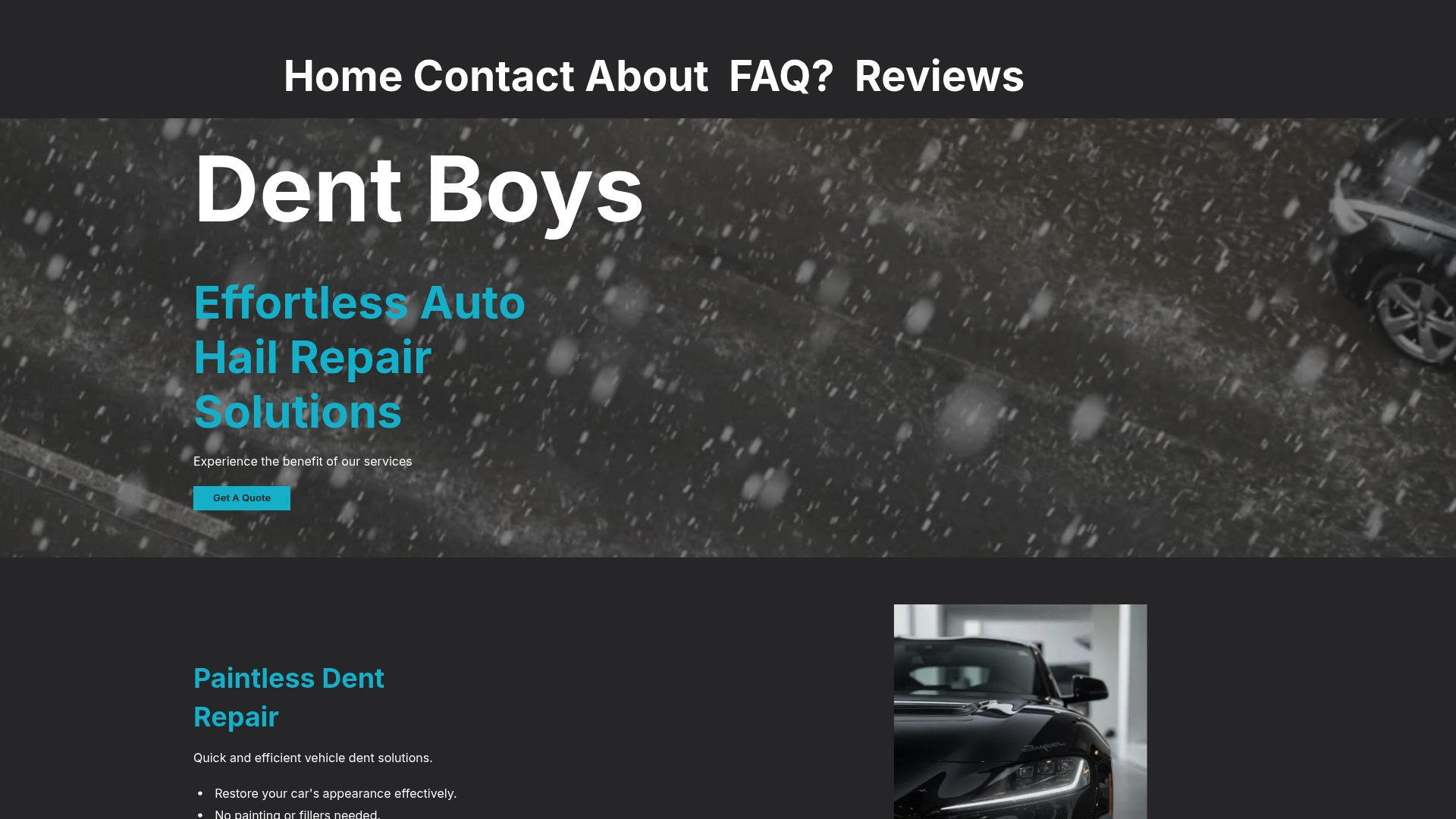
If you are a vehicle owner looking for certified PDR work, or a technician exploring what professional-grade service looks like in practice, Dent-boys is a strong reference point. Visit Dent-boys auto hail repair to request a free estimate or learn more about how certified PDR compares to conventional body shop repairs. The quality difference is visible from the first inspection.
FAQ
What is paintless dent repair in simple terms?
Paintless dent repair is a method of fixing vehicle dents by using metal rods and picks to reshape the panel from behind, without sanding, filling, or repainting. The factory paint stays intact throughout the process.
How long does it take to get PDR certified?
Most PDR certification programs take between a few weeks and several months depending on the level pursued and the provider. Vale Training Solutions and I-CAR both offer structured timelines with defined exam milestones.
Is PDR certification recognized by insurance companies?
Yes. I-CAR PDR certification is widely accepted by insurers and collision repair networks across the U.S. Certification is increasingly required for technicians seeking approval to perform insurance-covered PDR work.
What is the difference between craftsman and master craftsman PDR certification?
Craftsman is the entry-level professional tier, while Master Craftsman requires demonstrated proficiency on more complex repairs and stricter finish control standards. Vale Training Solutions allows passing test segments to transfer between levels, so advancement builds on prior exam results.
Can i get PDR certified without prior auto body experience?
Some programs accept beginners, but prior knowledge of vehicle panels and paint systems gives candidates a significant advantage. Checking prerequisites with your chosen provider before enrolling saves time and reduces the risk of failing the practical exam.