
Yes, you can usually get a rental car while your car is in the shop for hail damage — but whether someone else pays for it depends on one thing: whether you added rental reimbursement (sometimes called transportation expense) to your policy. Check your declarations page before you do anything else. If that coverage is there, you have three realistic routes:
- Insurer-paid rental reimbursement: Your insurer pays the rental company directly (direct billing) or reimburses you after you submit receipts, up to your policy's daily and per-claim limits.
- Shop courtesy (loaner) vehicle: Some repair shops keep a small fleet of loaner cars available at no charge. Availability varies, so call ahead.
- Customer-arranged rental, submitted for reimbursement: You book and pay, then submit receipts to your insurer for repayment within your covered limits.
Pro Tip: Pull up your declarations page before you visit the rental counter. Your daily cap and per-claim maximum are printed there. Knowing those numbers prevents the most common surprise: a rental bill that runs $30/day over your limit for two weeks.
Key Takeaways
Confirming your rental reimbursement daily limit and direct-billing options before you drop off your car is the single most effective way to avoid surprise out-of-pocket costs during hail repair.
| Point | Details |
|---|---|
| Check your declarations page first | Your daily limit and per-claim maximum are printed there — know them before you call a rental company. |
| File the claim immediately | Rental eligibility starts with the claim date; delays in filing can cost you covered rental days. |
| Ask the shop about loaners and direct billing | A good shop confirms rental coordination in writing before you sign the repair authorization. |
| Keep every receipt and timestamp | Drop-off date, adjuster-authorized start date, and completion date determine which rental days are reimbursable. |
| Dent-boys coordinates rentals for you | Dent-boys offers rental vehicle coordination, $0 deductible assistance, and free pickup/drop-off to reduce logistics during hail repair. |
Table of Contents
- Does your insurance cover a rental car for hail repairs?
- Shop loaner vs. third-party rental: which one fits your situation?
- How to secure a rental car while your car is repaired for hail damage
- How to choose a repair shop that handles your transportation needs
- Scripts and documents to use when talking to your insurer and shop
- What Dent-boys does differently with rental coordination
- Dent-boys handles the rental logistics so you don't have to
- Sources
Does your insurance cover a rental car for hail repairs?
Rental reimbursement is an optional add-on, not a standard feature. Allstate explains it as a separate benefit that helps cover temporary transportation while your car is repaired after a covered loss. The key phrase is "covered loss." State Farm confirms that rental reimbursement only kicks in when your vehicle is out of service because of a covered claim — storm damage and hail fall under comprehensive coverage, so a hail claim qualifies. Routine maintenance and mechanical breakdowns do not.
Once coverage applies, the structure typically works like this:
- Daily limit: A cap per day, often somewhere in the $40–$70 range. Progressive cites those figures as common example ranges, though your policy may differ.
- Per-claim maximum: A ceiling on total rental spending for the entire repair event, sometimes capped at 30–45 days of eligible coverage depending on your state and insurer.
- Direct billing vs. reimbursement: Some insurers have preferred rental partners and will bill the company directly. Others require you to pay up front and submit receipts. GEICO notes that some rental companies can be billed directly by the insurer, which saves you from floating the cost.
What rental reimbursement almost never covers: fuel, security deposits, rental upgrades, additional insurance waivers the counter agent offers, and extra mileage fees. Those come out of your pocket regardless of your policy limit.
Statistic callout: Progressive's published guidance cites daily rental limits commonly in the $40–$70 range, with some policies covering up to 30–45 days. These are insurer-reported examples, not guarantees — your actual limits are on your declarations page.
Pro Tip: Ask your adjuster whether your comprehensive or collision coverage transfers to the rental vehicle. If it does, you can decline the rental counter's collision damage waiver and save $15–$30 per day.
Shop loaner vs. third-party rental: which one fits your situation?
Both options work. The real question is which one fits your timeline and how much hassle you want to manage.
A shop courtesy car (also called a loaner) is typically owned by the repair facility and offered at no charge as a goodwill gesture. You drive it while your car is being worked on, then return it when you pick yours up. The catch: availability is limited. A busy shop might have two or three loaners for dozens of active repair jobs. Lemonade's explainer on courtesy cars notes that policies, liability rules, and fleet size vary significantly by location. You may also have less say over the vehicle type.
A third-party rental from a national company gives you more choice and a guaranteed reservation, but it comes with a deposit requirement (usually a credit card hold), potential daily-rate amounts above your insurer's cap, and the need to manage billing yourself unless direct billing is set up.
Here's how the two options compare on the factors that matter most:
- Cost to you: Loaners are usually free; rentals may run over your daily limit.
- Vehicle choice: Rentals offer more options; loaners are whatever the shop has available.
- Insurance handling: Rentals require confirming coverage transfer; loaners typically stay under the shop's own policy.
- Availability: Rentals can be reserved in advance; loaners are first-come, first-served.
- Duration suitability: For a two-day repair, a loaner is simpler. For a two-week job, a negotiated rental rate stretches your coverage further.
Before you decide, confirm with the shop: Do they have a loaner fleet on site? Do they offer a shuttle? Will they coordinate direct billing with your insurer? Get those answers before you drop off your keys.
Pro Tip: *If your repair estimate runs longer than a week, ask the rental company about weekly rates.
How to secure a rental car while your car is repaired for hail damage
The fastest path: report the claim, confirm rental reimbursement on your declarations page, ask your adjuster about direct-billing partners, then ask the shop whether they provide loaners or will coordinate a rental. Here's the full sequence:
- Document the damage. Photograph every dent before moving the car. Timestamps matter — repair order drop-off dates and adjuster-authorized rental start dates determine which days are eligible for reimbursement.
- File the claim immediately. State Farm's guidance recommends reporting the covered incident right away to start the process and confirm rental submission procedures with your agent.
- Verify your rental coverage limits. Pull your declarations page and note the daily cap and per-claim maximum before you call a rental company.
- Ask your adjuster about direct-billing partners. If your insurer has a preferred rental company, direct billing means you won't need to float the cost.
- Ask the repair shop about loaners and coordination. Confirm whether they have a loaner available, offer a shuttle, or will handle direct billing on your behalf.
- Reserve the rental or confirm the loaner. Bring your driver's license, proof of insurance, and a credit card for the deposit. WikiHow's loaner guide notes that a credit card is typically required even when the rental itself is covered.
- Keep every receipt and timestamp. Rental agreements, repair orders, and adjuster emails all support your reimbursement claim.
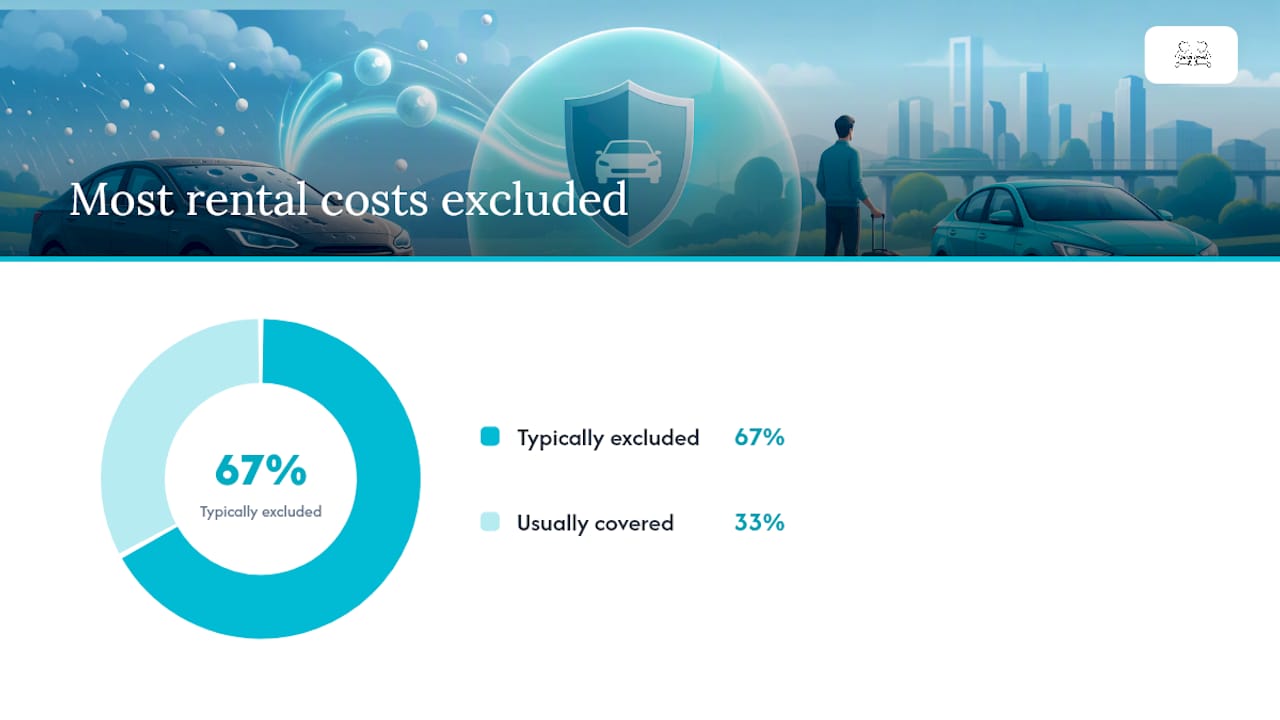
What's typically covered vs. excluded:
| Expense | Usually covered | Typically excluded |
|---|---|---|
| Daily rental rate (within limit) | Yes | Amount over daily cap |
| Rental days during active repair | Yes | Days after repair is complete |
| Fuel | No | Always out of pocket |
| Security deposit | No | Always out of pocket |
| Rental upgrades | No | Always out of pocket |
| Additional insurance waiver | No | Always out of pocket |
One timing note: pick up the rental on the same day you drop off your car, not before. Most insurers only authorize rental days that overlap with the active repair period. If repairs run longer than expected, contact your adjuster before your coverage days run out — not after.
How to choose a repair shop that handles your transportation needs
Choose a shop that tells you upfront how they handle rental coordination and loaner availability. A shop that hedges or says "we'll figure it out" is a shop that will leave you scrambling. The right shop gives you a written answer before you sign anything.
Selection criteria worth checking:
- Direct billing relationships with major rental companies
- On-site loaner fleet or confirmed shuttle service
- Insurance-approved status (accepted by your insurer's preferred network)
- Written confirmation of rental arrangements on the repair estimate
- Clear turnaround time estimate with a commitment to notify you of delays
- Lifetime warranty on completed repairs
If repairs stretch into weeks, consumer protection resources note that detailed written records of repair dates become important, particularly if disputes arise about rental eligibility or repair completion.
Questions to ask the shop directly:
- "Do you have a loaner car available for the duration of my repair?"
- "Will you coordinate direct billing with my insurer for the rental?"
- "Do you offer deductible assistance or a $0 deductible program?"
- "What's your estimated turnaround time, and how will you notify me if it changes?"
- "Do you offer pickup and drop-off service?"
Questions to ask your insurer:
- "What is my daily rental limit and per-claim maximum?"
- "Do you have preferred rental partners who bill you directly?"
- "Does my comprehensive coverage transfer to the rental vehicle?"
Trust signals that matter: A shop worth choosing will list insurance-approved status, a lifetime warranty on repairs, and a clear deductible assistance policy on its website or estimate form — not just mention them verbally. If those details aren't in writing before you sign, ask for them in writing.
Pro Tip: Ask the shop to note rental coordination and deductible assistance details directly on the repair authorization form. A verbal promise is hard to enforce; a written line on the estimate is not.
Scripts and documents to use when talking to your insurer and shop
Use these scripts and documents to move faster and avoid out-of-pocket surprises.
Documents to have ready before every call:
- Policy declarations page (shows rental limits and coverage types)
- Claim number (assigned when you file)
- Photo evidence of hail damage with timestamps
- Repair estimate from the shop
- Driver's license and credit card for rental pickup
- Receipts for any transportation costs already incurred
Script for your insurer:
Script for the repair shop:
After each call, send a follow-up email summarizing what was agreed. Note the adjuster's name, the claim number, the daily limit confirmed, and any direct-billing arrangement. Those records protect you if a reimbursement dispute comes up later.
Pro Tip: Ask for the adjuster's direct email during your first call. Texted or emailed confirmations are faster to retrieve than call logs when you need to dispute a charge.
Record-keeping rule: The repair order drop-off date, the adjuster-authorized rental start date, and the repair completion date together determine exactly which rental days are eligible. Missing any one of those timestamps can cost you reimbursement days.
What Dent-boys does differently with rental coordination
Most shops hand you a phone number and wish you luck. Dent-boys takes a different approach: rental coordination is built into the service, not an afterthought.
Here's what that looks like in practice:
- Rental vehicle coordination during the repair period, so you're not making calls while managing a claim
- $0 deductible assistance where applicable, which removes one of the biggest friction points for insured customers
- Free pickup and drop-off so you don't need a ride to the shop at all
- Free estimates with written documentation that supports your insurance claim
- Lifetime warranty on all paintless dent repair work
Dent-boys works with major insurers and handles the logistics that typically fall on the customer. Turnaround times for paintless dent repair are generally faster than traditional body shop methods, which means fewer rental days needed overall.
Dent-boys handles the rental logistics so you don't have to
When hail hits, the last thing you want is to spend two days on the phone sorting out rental cars, deductibles, and pickup logistics. Dent-boys offers rental vehicle coordination, $0 deductible assistance, free pickup and drop-off, and a lifetime warranty on every repair — all designed to cut the time between "my car has hail damage" and "my car is fixed."
What you get when you work with Dent-boys:
- Rental coordination handled directly, so you're not managing two separate relationships (shop and rental company)
- $0 deductible assistance where applicable through insurance
- Free pickup and drop-off — no need to arrange a ride to the shop
- Written estimates that document everything your insurer needs
- A lifetime warranty on completed repairs
Ready to get started? Get a free hail repair estimate and find out how quickly Dent-boys can get your car back to you — with transportation sorted from day one.
Sources
These insurer pages give you the authoritative detail on how rental reimbursement works, what limits apply, and what to expect from the claims process:
- Rental Reimbursement: Renting A Car Or Other Vehicle | GEICO
- Car Rental Reimbursement Coverage Explained - State Farm®
- Rental car reimbursement coverage | Progressive
- What Is Rental Reimbursement Coverage? | Allstate
Each insurer sets its own limits by state, so use these pages as a starting framework, then verify your specific numbers on your declarations page or with your adjuster.
This article is general information, not a substitute for advice from a qualified financial advisor. Consult a qualified financial professional about your own circumstances before acting on anything here.