
Working with insurance for dent repair means using your auto policy's comprehensive or collision coverage to pay for vehicle dent restoration, often with little or no money out of your pocket. The process involves understanding which coverage applies, documenting the damage correctly, and choosing a repair shop that knows how to coordinate with insurers. Paintless dent repair (PDR) is the industry standard technique for most insurance-approved dent jobs. It restores dented metal without paint or fillers, and insurers regularly approve it when the paint is intact and the metal has not stretched. Dent-boys specializes in exactly this process, including $0 deductible options and full insurance coordination.
What types of dent damage does insurance typically cover?
Insurance coverage for dent repair falls under two distinct categories: comprehensive and collision. Knowing which one applies to your situation determines how your claim gets filed and what you pay.
Comprehensive coverage
Comprehensive coverage pays for dents caused by events outside your control. Covered events include hail storms, vandalism, falling tree branches, and animal strikes. One major advantage: comprehensive claims for hail damage often do not raise your insurance premiums. That makes filing for hail-related PDR one of the lowest-risk insurance moves a car owner can make.
Collision coverage
Collision coverage applies when your vehicle hits another car or object. Accident-related dents fall here, regardless of fault. Collision claims do carry a higher risk of premium increases, so the cost-benefit calculation matters more with this coverage type.
PDR eligibility criteria
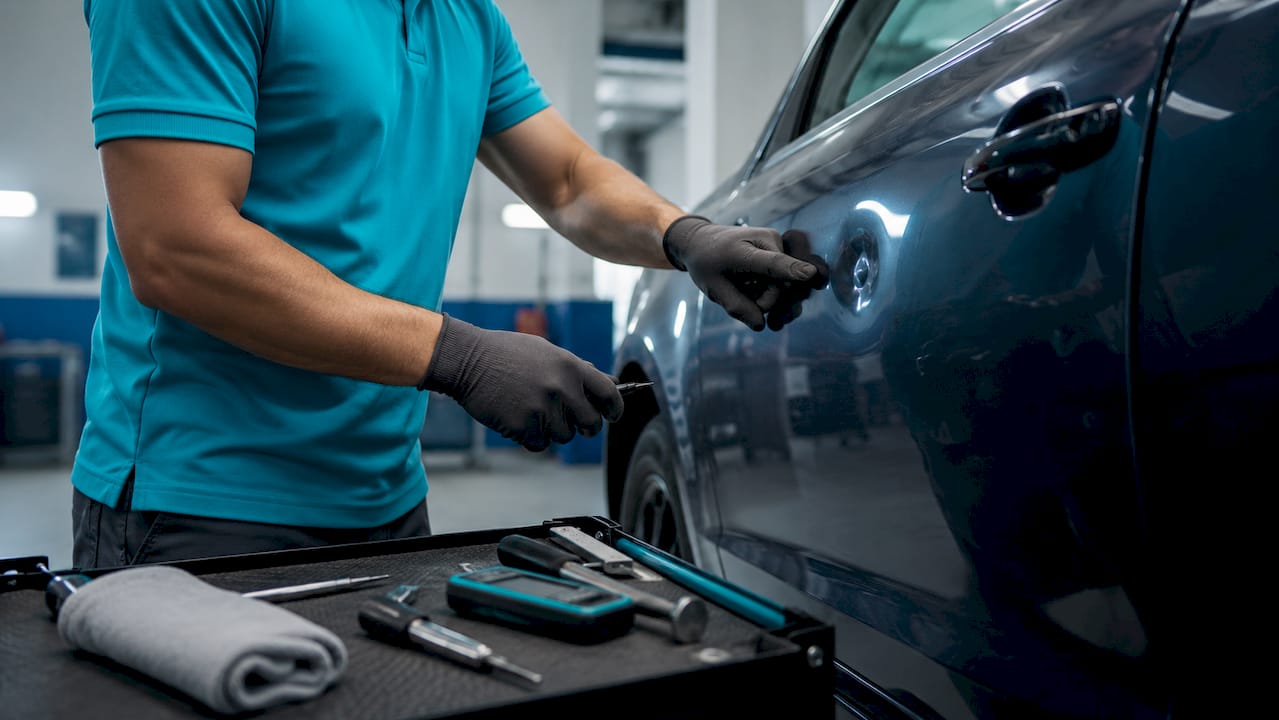
Insurers approve paintless dent repair when two conditions are met: the paint surface is intact, and the metal has not been stretched or torn. If a dent has cracked paint or sharp creases, traditional body shop methods apply instead. Understanding PDR eligibility before you file saves time and sets accurate expectations.
Dents typically covered:
- Hail damage across the hood, roof, and trunk
- Vandalism dents with no paint damage
- Dents from falling objects (branches, debris)
- Minor collision dents where paint is undamaged
Dents typically excluded:
- Dents with cracked or chipped paint
- Rust-related damage
- Pre-existing dents not reported at policy start
- Cosmetic wear from normal use
How to prepare and document your dent repair claim
Preparation before you file a claim directly affects how fast and smoothly the process goes. Skipping steps here is the most common reason claims get delayed or denied.
- Photograph the damage immediately. Take clear photos from multiple angles in good lighting. Capture the full panel and close-up shots of each dent. Timestamp your photos if your phone allows it.
- Document the cause. Write a brief incident description: what happened, when, and where. For hail, save local weather reports or news articles confirming the storm. For vandalism, file a police report.
- Get a repair estimate first. Getting an estimate before filing helps you decide whether the repair cost justifies a claim. If the repair costs less than your deductible, paying out of pocket makes more financial sense.
- Review your policy details. Confirm your deductible amount and coverage limits before calling your insurer. Know whether you have comprehensive, collision, or both.
- Choose a shop experienced with insurance claims. Repair shops familiar with the insurance process generate proper documentation and communicate directly with adjusters, which speeds up approvals significantly.
Pro Tip: Ask your repair shop if they offer direct billing to your insurer. Shops that handle insurance coordination in-house eliminate most of the paperwork burden from your side.
Dent repair cost factors like panel location, dent depth, and paint condition all affect whether your insurer approves PDR or requires a full body repair. Knowing these variables before your adjuster visit puts you in a stronger position.
Step-by-step process to work with insurance for dent repair
The insurance dent repair process follows a clear sequence. Deviating from it creates delays and disputes.
- File your claim. Contact your insurer by phone or through their app. Provide your incident description, photos, and policy number. The insurer assigns a claim number and an adjuster.
- Schedule an inspection. The adjuster inspects your vehicle, either in person or through a photo-based virtual assessment. They produce an initial damage estimate.
- Get shop authorization. Take the insurer's estimate to your chosen repair shop. The shop reviews it and confirms whether the approved amount covers the full repair scope.
- Repair begins. The shop performs the approved repairs. For PDR-eligible dents, this typically takes one to three days depending on dent count and severity.
- Handle supplements if needed. Hidden damages discovered during repair require a supplement, which is an additional claim for costs not included in the original estimate. The shop documents these and submits them to the insurer for approval. You do not pay for covered supplements out of pocket.
- Insurer pays the shop directly. Insurance companies typically pay repair shops directly once the claim is approved. You pay only your deductible, if one applies.
- Close the claim. Inspect the finished repair before signing off. Confirm the work matches the approved scope and meets your quality expectations.
Pro Tip: If your insurer uses a photo-based virtual inspection, take your photos in natural daylight. Poor lighting causes adjusters to miss dents, which leads to underpaid estimates.
| Stage | Who acts | Key output |
|---|---|---|
| Claim filing | Car owner | Claim number assigned |
| Adjuster inspection | Insurer | Initial damage estimate |
| Shop authorization | Repair shop | Repair scope confirmed |
| Supplement request | Repair shop | Additional damage approved |
| Payment | Insurer | Shop paid directly |
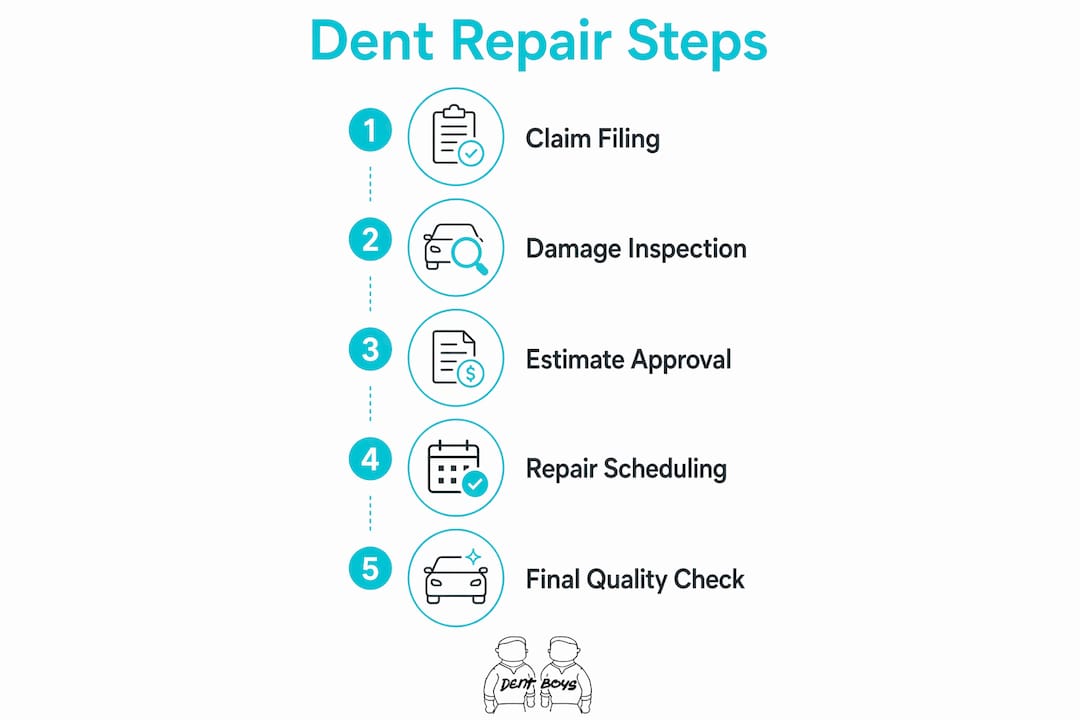
Understanding how the dent repair process works from start to finish helps you avoid surprises at each stage.
Common challenges when working with insurance dent repair
Most problems in the insurance dent repair process are predictable. Knowing them in advance lets you sidestep the ones that cost time and money.
Deductible math catches car owners off guard. If your deductible is $500 and the repair estimate is $600, filing a claim saves you only $100 while adding a claim to your record. Small dent repairs often do not justify a claim when the cost difference is minimal. Always get an estimate before deciding.
Comprehensive claims rarely raise premiums. Car owners avoid filing hail damage claims out of fear their rates will increase. In most states, comprehensive claims do not trigger premium hikes. Filing for hail-related PDR is almost always worth it.
Denied claims usually come from poor documentation. Clear documentation including photos and incident reports is the single most effective way to prevent denials. If a claim is denied, request the denial reason in writing and appeal with additional evidence.
Supplements surprise car owners who weren't warned. When a shop disassembles a panel and finds additional damage, the repair cost increases. Professional shops negotiate supplements with insurers transparently so car owners are not blindsided. Ask your shop upfront how they handle supplements before work begins.
"The biggest mistake car owners make is assuming the insurer's first estimate covers everything. A good repair shop catches what the adjuster missed and gets it approved before the bill lands on your desk."
Hail damage in particular creates multiple dents across large panels, and initial estimates often undercount them. A shop that performs a thorough pre-repair inspection protects you from paying the difference.
Key Takeaways
Working with insurance for dent repair requires the right coverage type, solid documentation, and a repair shop that handles insurer coordination directly.
| Point | Details |
|---|---|
| Coverage type determines eligibility | Comprehensive covers hail and vandalism; collision covers accident-related dents. |
| PDR requires intact paint | Insurers approve paintless dent repair only when paint is undamaged and metal is not stretched. |
| Get an estimate before filing | Compare repair cost to your deductible before deciding whether to file a claim. |
| Documentation prevents denials | Photos, incident reports, and written estimates are required for smooth claim approval. |
| Supplements are normal | Hidden damage found during repair is covered by most policies when the shop documents it properly. |
What I've learned from watching car owners navigate insurance dent repairs
Most car owners treat the insurance claim process like a black box. They file, wait, and hope for the best. That approach almost always leads to underpaid claims or unexpected bills.
The single biggest factor in a smooth insurance dent repair is shop selection. A shop that has filed hundreds of insurance claims knows how to write estimates that match adjuster language, how to photograph damage for maximum clarity, and how to submit supplements without triggering disputes. A shop with no insurance experience hands that burden back to you.
PDR is genuinely underused as an insurance-approved option. Car owners assume that because a repair looks complicated, it must require paint and body filler. That is rarely true for hail damage or minor collision dents. PDR restores the factory finish faster and at lower cost, and insurers prefer it for exactly those reasons. If your shop does not mention PDR as an option, ask directly.
The deductible question trips up more car owners than anything else. My honest advice: get the estimate first, always. A $200 repair with a $500 deductible is a cash job. A $3,000 hail repair with a $500 deductible is a clear claim. The math is simple once you have the number in front of you. The mistake is filing before you know what the repair actually costs.
Comprehensive coverage for hail is one of the most underused benefits in auto insurance. Most car owners in hail-prone states leave money on the table every storm season because they fear a premium increase that, in most cases, never comes.
— Martin
Dent-boys makes insurance dent repair straightforward
Dent-boys handles the insurance coordination process from start to finish, so you do not have to manage adjusters, estimates, and paperwork on your own.
Dent-boys specializes in paintless dent repair and hail damage restoration, working directly with your insurer to get claims approved quickly. The service includes a $0 deductible option, a rental vehicle during repairs, free estimates, and a lifetime warranty on every job. Pick-up and delivery are available, so your schedule stays intact. If your car has taken a hit from hail, a parking lot collision, or vandalism, get your free estimate and let Dent-boys handle the rest.
FAQ
Does insurance cover paintless dent repair?
Yes. Insurers approve PDR for covered events when the paint is intact and the metal has not stretched. Comprehensive and collision policies both qualify depending on the cause of the dent.
Will filing a hail dent claim raise my insurance premium?
Comprehensive claims for hail damage typically do not raise premiums. Car owners in hail-prone states can file for PDR-eligible hail repairs with minimal risk to their rates.
What documentation do I need to file a dent repair claim?
You need clear photos of the damage, a written incident description, and a repair estimate from a qualified shop. For vandalism, a police report strengthens your claim significantly.
What is a supplement in an insurance dent repair claim?
A supplement is an additional claim filed when a repair shop discovers hidden damage during disassembly that was not included in the original estimate. Insurers typically approve covered supplements, and car owners do not pay for them out of pocket.
Should I file a claim or pay out of pocket for a small dent?
Compare the repair estimate to your deductible before deciding. If the repair cost is close to or lower than your deductible, paying out of pocket avoids adding a claim to your insurance record.