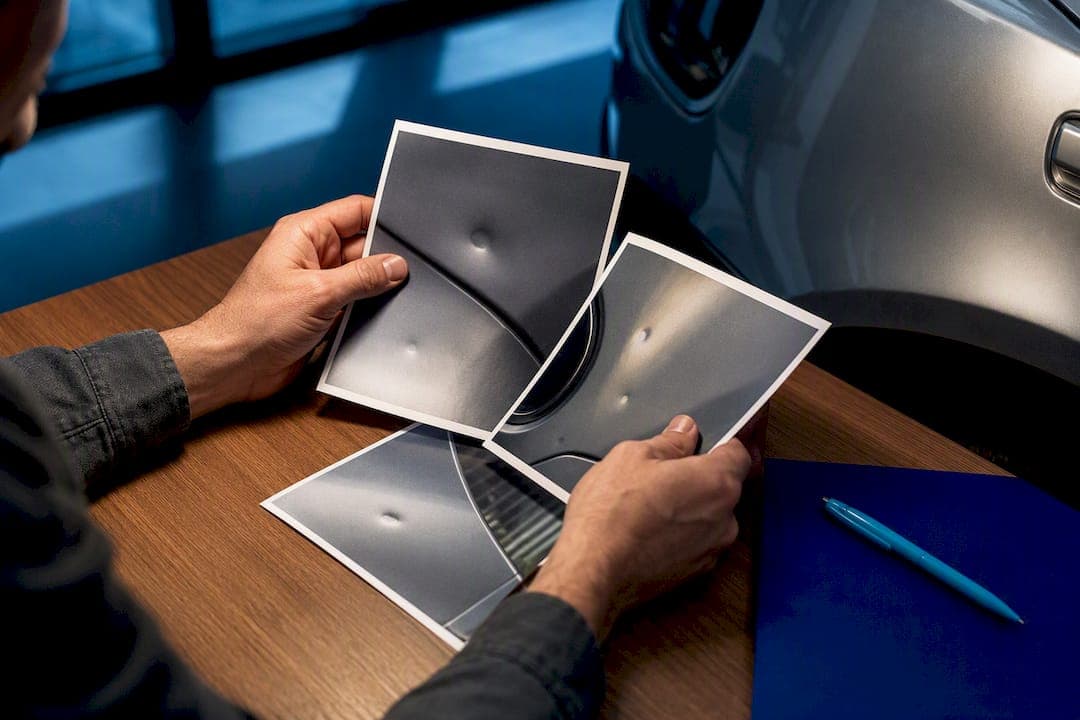
Get your denial in writing, photograph every dent before you touch the car, pull the NOAA storm record for that date, and book an independent PDR estimate that counts dents panel by panel. Do those four things in the first 72 hours, and you keep every appeal option open. Skip them, and you're negotiating with nothing but the adjuster's word against yours.
TL;DR:
- Photograph all damage panels and gather timestamped evidence before any repairs begin to strengthen your claim during an appeal.
- Obtain an independent, detailed PDR estimate that counts dents by panel and notes access difficulties, often carrying more weight than insurer estimates.
- Use NOAA storm data to verify hail events for your location and date, as this evidence is difficult for insurers to dispute.
- Tailor your appeal letter specifically to the reason for denial, including relevant policy language and clear supporting evidence, and submit through formal channels.
- Act promptly within your insurer's deadlines, typically 30 to 60 days for internal appeals and up to several years for legal actions, to avoid losing your rights.
Table of Contents
- What to Do Right After Your Hail Claim Is Denied
- How Do You Write an Effective Insurance Appeal Letter?
- Why an Independent PDR Estimate Often Wins the Appeal
- What Happens After an Internal Appeal Fails?
- Know Your Deadlines Before You Wait Too Long
- What Claimants Get Wrong After a Hail Denial
- Get a Free PDR Estimate While Your Appeal Is Pending
- Where to Verify Storm Data and File a Complaint
- Sources
What to Do Right After Your Hail Claim Is Denied
The denial letter is your roadmap, not just bad news. Insurers are required to state a specific reason for denying coverage, and that reason tells you exactly what evidence will move the needle. Call your claims adjuster and ask for the denial in writing if you only got a phone call. Note the claim number, the date, and the exact language the insurer used, whether that's "damage inconsistent with hail" or "loss occurred outside policy period."
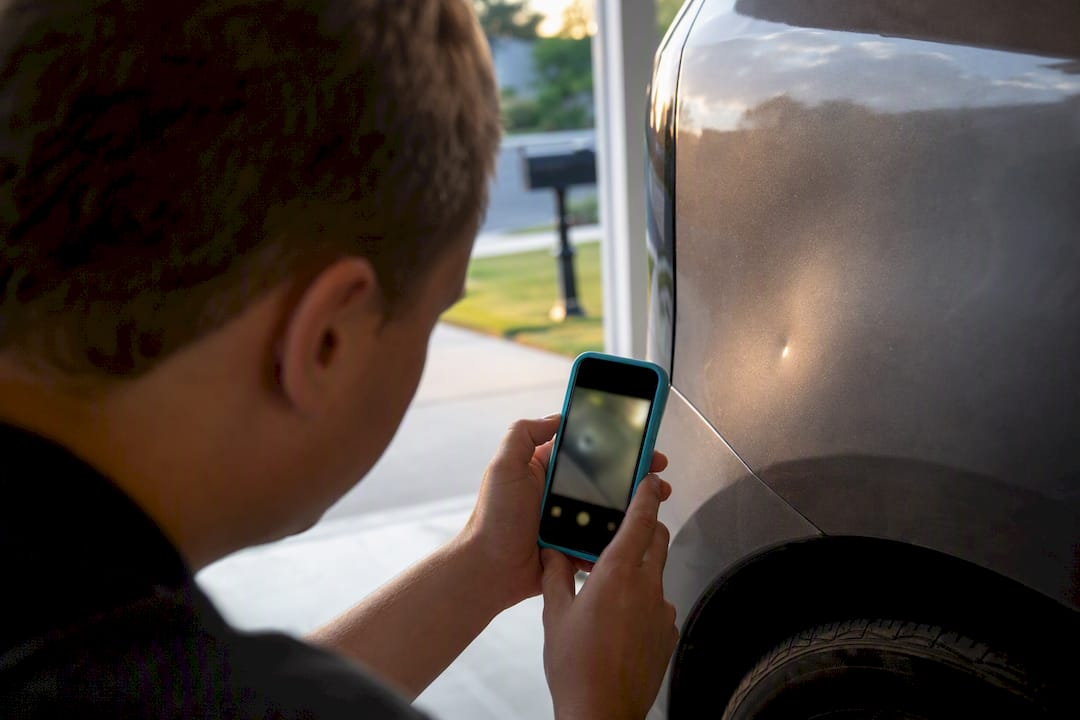
Photograph everything before any repair work starts. Shoot each panel straight on, then from a low angle where light catches the dents, and include a wide shot showing the whole vehicle parked at your address. If a neighbor's car, roof, or mailbox took hail damage too, ask to photograph that as corroborating evidence. Timestamp your photos automatically through your phone's camera app rather than relying on memory later.
Gather every paper trail already tied to the claim: adjuster notes, texts, emails, prior repair records, and the original estimate the insurer used to deny you. Then pull the NOAA Storm Events Database for your county and the claim date. Search by location and date, filter for hail, and save the event entry with its ID number and a screenshot. Storm event data tied to your ZIP code is hard for an adjuster to argue against.
Finally, order an independent PDR estimate. Ask the technician to count dents by panel, note access difficulty, and price each line item separately rather than bundling everything into one number.
- Written denial letter with claim number and stated reason
- Time-stamped photos of every damaged panel
- NOAA/NWS storm event printout for your address and date
- Independent, itemized PDR estimate
Pro Tip: Save every document as a PDF in one folder named after your claim number. Adjusters and DOI reviewers move faster on organized files, and a messy inbox is the easiest way to lose track of your own evidence.
How Do You Write an Effective Insurance Appeal Letter?
Match your appeal to the exact reason on the denial letter. Insurers usually deny hail damage claims for one of three reasons: a coverage exclusion, a factual dispute over whether the damage is from hail at all, or a claim that you didn't provide enough proof. Each requires a different response, and mixing all three into one vague letter dilutes your argument.
- Reread the denial letter line by line and identify whether you're fighting a coverage question, a causation question, or a documentation gap.
- Assemble the packet: denial letter, PDR estimate, NOAA storm printout, timestamped photos, any adjuster notes, and witness statements from neighbors if you have them.
- Draft the letter with your claim number at the top, a one-paragraph summary of the dispute, then a section citing the specific policy language that supports coverage. Attach your evidence as labeled exhibits, not loose pages.
- Submit through the insurer's formal claims-review department, by certified mail with return receipt or through the online portal with a tracking confirmation.
- Follow up in writing within a week, referencing your tracking number and asking for a specific timeline on reconsideration or reinspection.
A structured appeal process built around policy language and independent evidence resolves most denials without ever reaching a courtroom. The insurer's own denial letter is your best outline, since it tells you exactly what to disprove.
Why an Independent PDR Estimate Often Wins the Appeal
Adjusters working large hail catastrophe events move fast, and speed creates errors. They undercount dents, group cosmetic damage with structural damage, or apply a flat per-vehicle number instead of inspecting each panel. Independent inspections and itemized repair estimates are consistently cited as the strongest evidence for overturning a hail denial, because they replace a rushed guess with a documented count.
A credible PDR estimate includes:
- A dent count for each panel, not a single vehicle-wide total
- Panel-by-panel labor pricing tied to access difficulty
- Notes on tools or special access needed for hard-to-reach dents
- A signed, dated estimate from the technician who performed the inspection
An independent, itemized estimate that counts dents by panel and explains access difficulty carries far more weight than a generic body shop quote lumping paint and parts together. When you submit your appeal, put the insurer's estimate and your PDR estimate side by side in one exhibit so the gap is visible at a glance.
Pro Tip: If your appeal heads toward a reinspection, ask your PDR technician to attend or provide a signed affidavit describing their findings. A technician who can speak to the exact panel count in person is far harder for an adjuster to dismiss.
What Happens After an Internal Appeal Fails?
If the internal appeal doesn't move the insurer, you have several formal paths, and picking the right one depends on what's actually being disputed.
- Appraisal clause: useful when the insurer accepts the hail damage but disagrees on repair cost. It does not help if the dispute is over coverage itself.
- State Department of Insurance complaint: regulators can't force a payout, but filing a DOI complaint often prompts the insurer to re-review the file, and it costs you nothing.
- Mediation or arbitration: some insurers agree to a neutral third party review before things escalate further, particularly on mid-size valuation disputes.
- Bad-faith litigation: reserved for cases where the insurer acted unreasonably, not just where you disagree with the outcome. Talk to an attorney before going this route, since the legal threshold is high.
Each path trades speed for leverage. A DOI complaint is fast and free; a lawsuit is slow and expensive but carries real consequences for the insurer.
Know Your Deadlines Before You Wait Too Long
Most insurers give you 30 to 60 days to file an internal appeal, but that window lives in your policy, not in any universal rule, so check it directly. Appraisal clauses typically run 30 to 90 days once invoked, covering appraiser selection through final valuation.
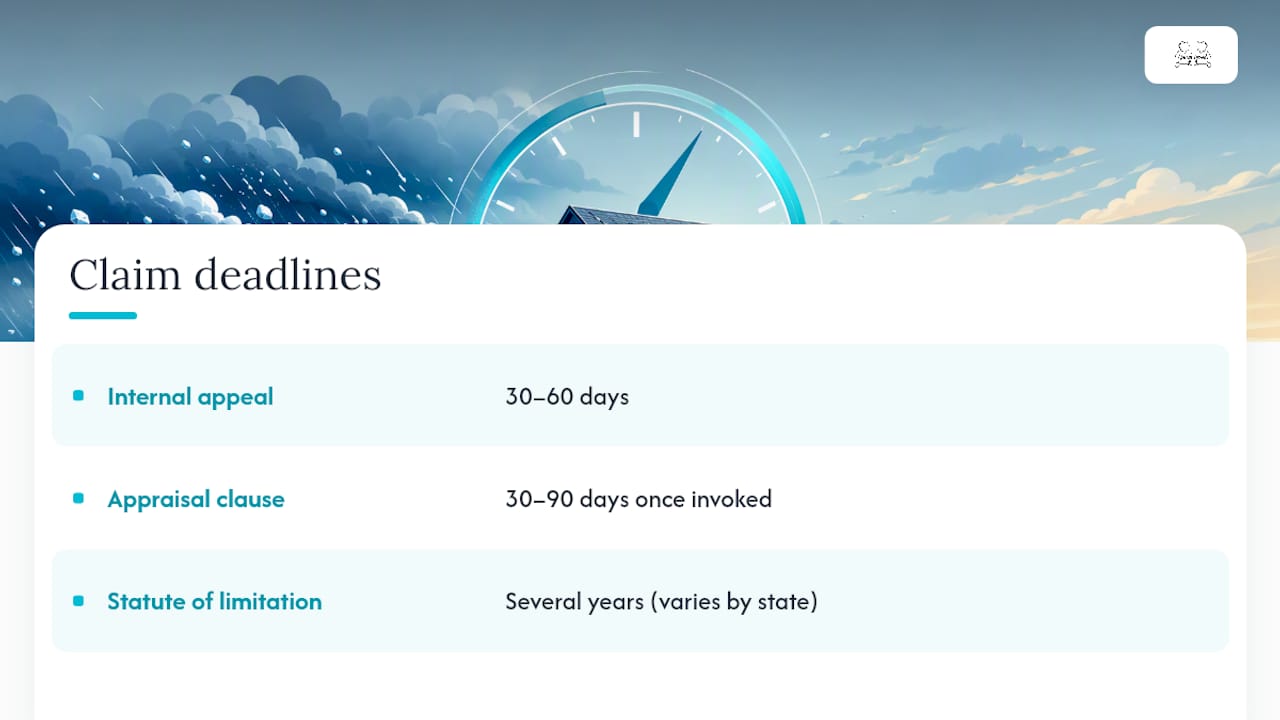
Statutes of limitation for filing lawsuits over denied claims vary widely by state, typically ranging from a few years, so check your state's specific deadline. Don't guess at your state's specific limit. Document every date related to your claim, and consider filing a regulatory complaint early. It costs nothing and can prompt movement before other deadlines close in.
What Claimants Get Wrong After a Hail Denial
The biggest mistake is waiting. Cars get washed, dents get bumped out accidentally, and by the time someone starts documenting, the evidence is already thinner than it should be. The second mistake is treating the insurer's estimate as the final word instead of getting a second, itemized opinion. The third is skipping the NOAA storm data step entirely, even though it's free and takes ten minutes.
Quick wins are just as simple: photograph a neighbor's damaged property, request a PDR estimate before any reinspection, and ask the insurer to formally note the storm data in your file. A PDR provider can also start repairs while your appeal is still pending, so you're not stuck driving a dented car for months waiting on paperwork.
— Martin
Get a Free PDR Estimate While Your Appeal Is Pending
A specialized PDR estimate that appeals and appraisals need includes dent counts by panel, access notes, and line-item pricing signed by the technician who did the inspection. That documentation is often the single piece of evidence that turns a denial around, and you don't have to wait for the insurer's timeline to get it.
Beyond the estimate itself, some providers handle logistics that make a denied claim less stressful: pick-up and delivery so you don't lose a day off work, rental vehicle coordination, help working toward a $0 deductible outcome where it applies, and warranties on completed repairs. Whether you're still waiting on a reconsideration letter or you've decided to pay out of pocket and pursue subrogation later, getting the car repaired doesn't have to wait on the insurance company's schedule. If your deductible situation is part of what's holding you back, understanding the legal risk around skipping a hail repair deductible is worth a quick read first.
Request a free PDR estimate from Dent-boys today, and put real documentation behind your appeal instead of waiting on the insurer to reconsider on its own.
Where to Verify Storm Data and File a Complaint
Confirm the hail event through the NOAA Storm Events Database using your county and claim date. Review common denial reasons and appeal steps before drafting your letter. Locate your state Department of Insurance's complaint page directly through your state government's website. And if you're weighing whether comprehensive coverage even applies to your situation, this breakdown of hail claims without comprehensive coverage is a useful next stop.
This article is general information, not a substitute for advice from a qualified lawyer. Consult a qualified legal professional about your own circumstances before acting on anything here.
Sources
- NOAA National Weather Service Storm Events Database
- Hail damage insurance claim denied: How to fight back — ClaimBack
- How to Dispute an Auto Insurance Claim Denial — Turn & Turn
- What to Do When Your Car Insurance Claim Is Denied — Experian