
Custom paint is defined as any non-factory finish applied to a vehicle, including matte, satin, candy, and multi-stage metallic coatings. These finishes are far more vulnerable than standard OEM paint because they use thinner clear coats, longer curing cycles, and specialized pigment systems that react badly to the wrong products or timing. Understanding why custom paint cars need special care is the first step to keeping that finish looking exactly the way it did on day one. Get the care wrong in the first 90 days, and you can permanently dull or damage a finish that cost thousands of dollars to apply.
Why custom paint cars need special care: the core reason
Custom paint finishes are structurally different from the factory paint on most vehicles. OEM paint is baked at high temperatures in controlled environments, which accelerates curing and creates a hard, stable surface. Custom paint applied at a body shop cures at room temperature over a much longer period, leaving the finish chemically active and physically soft for weeks after application.
During this curing window, solvents trapped inside the paint layers slowly release through the clear coat. This process is called outgassing. Any product, pressure, or moisture applied too early can seal those solvents inside, which leads to bubbling, cloudiness, or a permanent reduction in gloss. The finish looks fine at first, then degrades over the following months.
Custom coatings also tend to be thinner than OEM finishes. Matte and satin paints, in particular, rely on a deliberately rough microstructure at the surface level to scatter light and eliminate shine. That microstructure is fragile. A single pass with the wrong cloth or product can smooth it out and create an irreversible glossy spot that no amount of cleaning will fix.
- Thinner clear coats that scratch and mar more easily than factory paint
- Active outgassing for weeks after application, making the surface chemically sensitive
- Unique microstructures in matte and satin finishes that cannot be polished or buffed without permanent damage
- Longer full-cure timelines that demand patience before applying any protective products
Pro Tip: Ask your painter what specific products they used and request a written care sheet. Different paint systems from different manufacturers have slightly different cure timelines and product restrictions.
How should you care for a freshly painted custom car during curing?
The curing period is the highest-risk window for custom paint. The decisions you make in the first 90 days determine whether that finish lasts five years or fifteen.
The first 72 hours
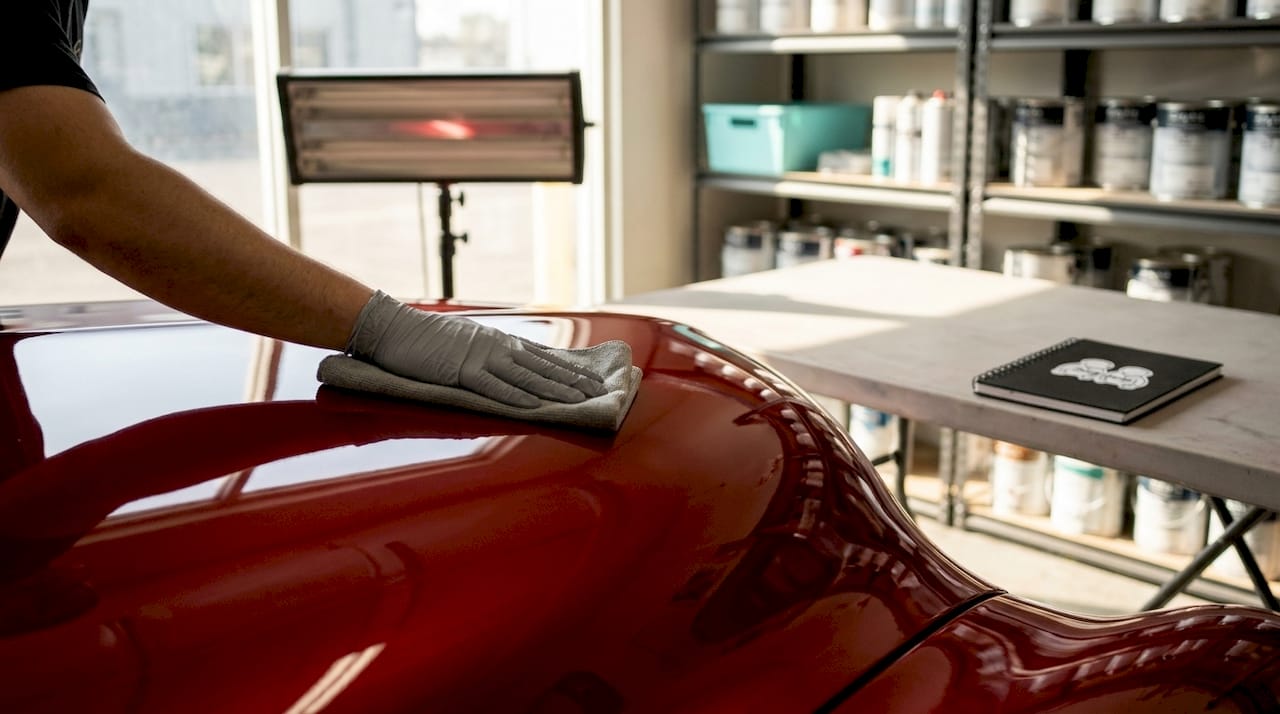
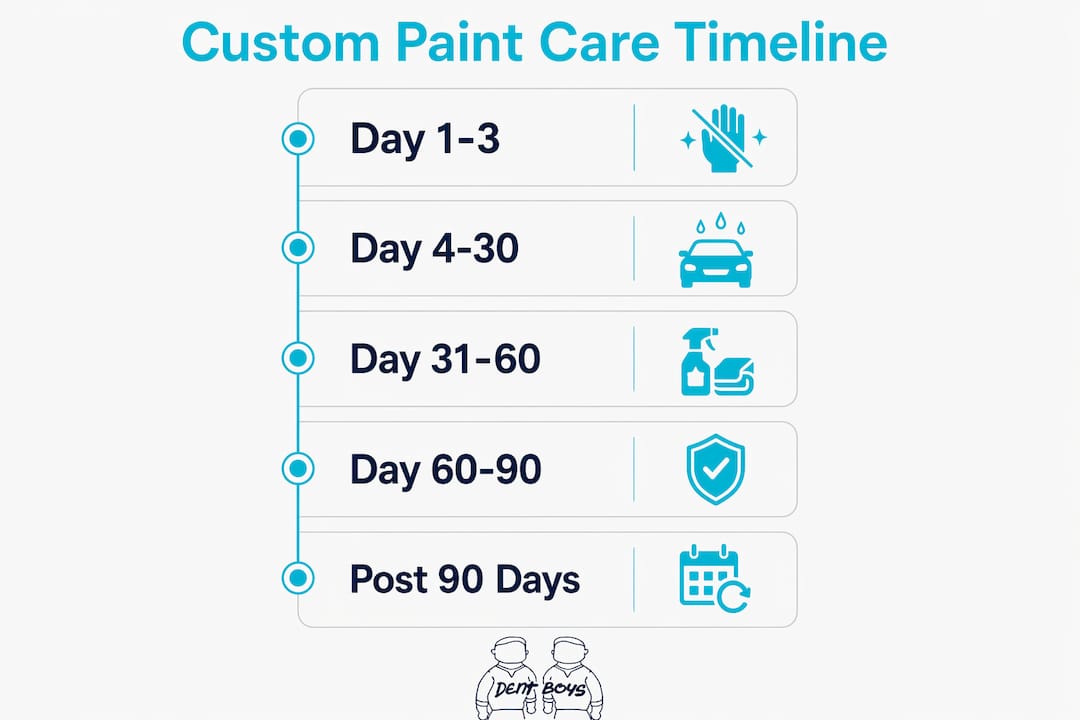
No moisture contact for the first 72 hours after painting is the industry standard. That means no rain, no dew, no car washes, and no wet cloths of any kind. Park the vehicle in a covered garage if possible. If you cannot avoid outdoor parking, check the weather forecast before leaving the shop.
Days 4 through 30
- Rinse with water only. A gentle rinse with a low-pressure hose removes loose dust and debris without introducing chemicals that interfere with curing.
- Use your hands or a soft microfiber mitt. Soft mitts and pH-neutral products are the only safe tools during this period. Sponges and brushes apply concentrated pressure that scratches soft paint.
- Skip all soaps, shampoos, and detailing sprays. Even products labeled "paint-safe" contain surfactants and lubricants that can affect the outgassing process.
- Avoid automatic car washes entirely. Automatic washes are harmful to fresh custom paint because rotating brushes create swirl marks and harsh detergents interfere with solvent release. This restriction applies for at least 30 days.
- Do not park under trees. Bird droppings, tree sap, and pollen are acidic. On curing paint, they can etch the surface within hours.
Days 60 through 90
Waxing within 60–90 days post-paint traps solvents and compromises the finish's long-term durability and gloss. Wait the full period before applying any wax, sealant, or ceramic coating. Patience here is not optional. It is the single most important factor in custom car paint longevity.
Pro Tip: Set a calendar reminder for day 90 after your paint job. That date marks when you can safely introduce protective products and begin a proper maintenance routine.
What ongoing maintenance practices protect and extend the life of custom paint?
Once the paint has fully cured, the goal shifts from protection to preservation. The right routine keeps the finish clean, protected, and free from the contaminants that cause long-term degradation.
Regular washing
Hand washing remains the safest method for maintenance on custom paint cars, even after full curing. Use a pH-neutral car shampoo, a clean microfiber wash mitt, and two buckets: one for soapy water and one for rinsing the mitt. This two-bucket method keeps dirt from cycling back onto the paint surface.
Ceramic coatings
Ceramic coatings provide a durable protective layer lasting 3–10 years and help prevent clear coat failure. A professionally applied ceramic coating bonds chemically to the paint surface and creates a hard shell that resists UV rays, water spots, and light scratches. Professional applications typically cost over $1,000, but that investment extends the life of a custom finish significantly.
Contaminant removal
Insect residue, tar, and tree sap require prompt removal to avoid deep damage. Delaying removal allows these substances to bond chemically with the clear coat, leading to stains that require professional refinishing to correct. Use a dedicated bug and tar remover formulated for coated surfaces, applied with a soft cloth and zero scrubbing pressure.
Car covers
Car covers can cause micro-scratches if the vehicle surface is not perfectly clean before the cover goes on. Even a premium cover traps dust particles against the paint when it shifts in the wind. If you use a cover, wash the car first and choose a cover with a soft inner lining.
| Maintenance Task | Frequency | Key Rule |
|---|---|---|
| Hand wash | Every 1–2 weeks | pH-neutral shampoo, microfiber mitt only |
| Contaminant spot removal | As needed, same day | Dedicated remover, no scrubbing |
| Ceramic coating inspection | Annually | Check for water beading; reapply if needed |
| Paint protection film check | Every 6 months | Look for lifting edges or yellowing |
How do care approaches differ between matte, satin, and gloss custom finishes?
Not all custom paint responds the same way to the same products. Treating a matte finish like a gloss finish is one of the fastest ways to destroy it permanently.
Matte finishes
Matte paint requires specially formulated cleaning products to preserve its microstructure. Standard waxes contain mild abrasives that smooth the surface and create irreversible glossy spots. The same applies to polishes, glazes, and any product that claims to "add shine." The goal with matte is preservation, not correction. If a matte finish develops a scratch, polishing it out is not an option. Polishing smooths the surface and creates glossy patches that cannot be corrected without a full repaint.
Satin finishes
Satin paint sits between matte and gloss on the sheen spectrum. It has a subtle, low-level shine that comes from a partially textured microstructure. The care rules are similar to matte: avoid polishes, avoid standard waxes, and use products specifically labeled for satin finishes. The difference is that satin tolerates slightly more product variety than matte, but the margin for error is still narrow.
Gloss finishes
Gloss custom paint is the most forgiving of the three. It tolerates occasional machine polishing for light scratch correction and accepts a wider range of waxes and sealants. That said, gloss custom paint still needs gentler treatment than factory OEM paint because the clear coat is typically thinner. Stick to finishing polishes rather than cutting compounds, and always test on a hidden panel first.
Pro Tip: Never use a product on a matte or satin finish unless the label explicitly states it is safe for matte or satin surfaces. "Paint-safe" alone is not enough. The distinction matters.
Key Takeaways
Custom paint finishes require a disciplined, finish-specific care routine from day one because their thinner clear coats, active curing chemistry, and unique microstructures make them far more vulnerable than standard OEM paint.
| Point | Details |
|---|---|
| Curing period is critical | Avoid all moisture for 72 hours, then use water only until day 30. |
| Waxing must wait | Apply wax or sealants only after 60–90 days to prevent solvent trapping. |
| Finish type determines products | Matte and satin require specially formulated products; standard waxes cause permanent damage. |
| Ceramic coatings extend longevity | A professional ceramic coating lasts 3–10 years and protects against UV and water damage. |
| Contaminants need same-day removal | Tree sap, tar, and insect residue bond to clear coat quickly and may require professional repair if left. |
What most owners get wrong about custom paint care
Custom paint care is one of those areas where confidence works against you. Owners who have washed and waxed cars for years assume their habits transfer directly to a custom finish. They almost never do.
The most common mistake I see is premature washing. Someone picks up their freshly painted car, drives it home, and washes it the next morning because it picked up road dust. That single wash, even with a gentle soap, can interfere with the outgassing process and reduce the final hardness of the clear coat. The damage is invisible at first, which makes it worse. You think everything is fine until the finish starts to look dull six months later.
The second mistake is treating all custom paint the same. A matte black hood and a candy red fender need completely different products and techniques. Owners who learn one routine and apply it everywhere end up with glossy patches on their matte panels or swirl marks on their satin trim. The touch-up process for custom finishes is also far less forgiving than for standard paint, which makes prevention the only real strategy.
My honest advice: treat the first 90 days like a recovery period. Do as little as possible. Rinse when necessary, park in the shade, and resist the urge to detail. The patience you show in that window pays off in a finish that holds its depth and color for years. After curing, build a simple routine and stick to it. Custom paint care is not complicated. It just requires consistency and the right products.
— Martin
Protecting your custom paint after a dent or hail event
Custom paint owners face a specific risk that standard paint owners often overlook: dents and hail damage. A single hailstorm can leave dozens of small impacts across a freshly painted surface, and the wrong repair approach can destroy the finish entirely.
Dent-boys specializes in paintless dent repair that restores your vehicle without touching the paint. No sanding, no fillers, and no repainting means your custom finish stays exactly as it was. Dent-boys offers free estimates, pick-up and delivery, a $0 deductible process, and a lifetime warranty on repairs. If your custom paint has taken a hit, the dent repair process at Dent-boys is designed to protect the finish you worked hard to get. Reach out to Dent-boys before the damage gets worse.
FAQ
Why does custom paint need special care right after painting?
Fresh custom paint is chemically active and physically soft during curing. Washing, waxing, or applying pressure too early traps solvents inside the finish and permanently reduces its gloss and durability.
Can I use regular car wax on a custom paint job?
Regular car wax is safe only on fully cured gloss finishes. On matte or satin custom paint, standard waxes contain abrasives that create irreversible glossy spots and damage the surface microstructure.
How long before I can wax a custom paint car?
Wait 60–90 days after painting before applying any wax or sealant. Applying products earlier traps outgassing solvents and compromises the long-term appearance and hardness of the finish.
What is the best long-term protection for custom paint?
A professionally applied ceramic coating is the most durable option, lasting 3–10 years while protecting against UV rays, water spots, and light scratches. It works on gloss finishes and on matte-specific formulations.
Will paintless dent repair damage my custom paint?
Paintless dent repair, done correctly, does not touch the paint surface at all. It works by massaging the metal back into shape from behind the panel, leaving the custom finish completely intact.