Weather is the leading cause of unexpected vehicle dents, and cold temperatures make the problem significantly worse by reducing metal elasticity and increasing panel brittleness. Understanding how weather causes vehicle dents gives you a real advantage: you can anticipate damage before it happens, act faster after storms, and avoid costly repairs that compound over time. Hail, ice, falling debris, and even temperature swings all leave marks on your car's body panels. This guide breaks down the science, the seasonal patterns, and the practical steps you can take to protect your vehicle year-round.
How cold weather physically makes dents more likely
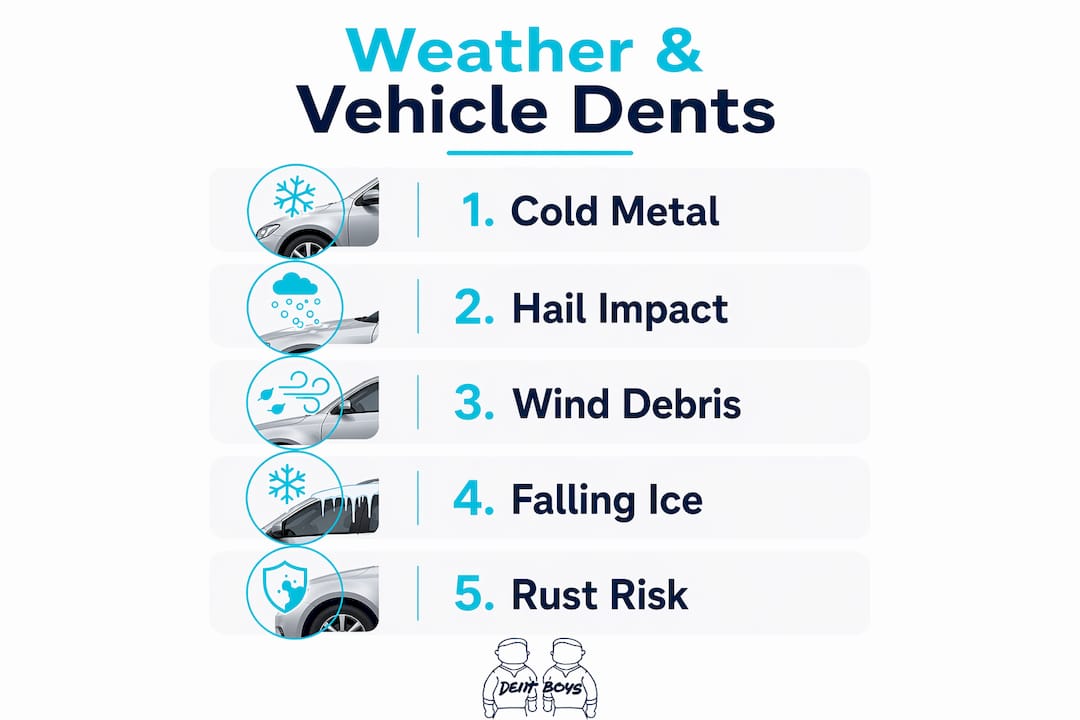
Cold temperatures change the physical behavior of your car's metal panels in ways most owners never consider. Below 32°F, metal contracts and loses flexibility. Cold weather increases permanent dent risk by up to 30% because reduced elasticity means panels can no longer absorb impact and spring back. Instead, they deform and stay deformed.
Aluminum panels are especially vulnerable. Aluminum experiences a 15–20% reduction in impact resistance under freezing temperatures. That matters because aluminum is now standard on hoods, doors, and trunk lids across most modern vehicles.
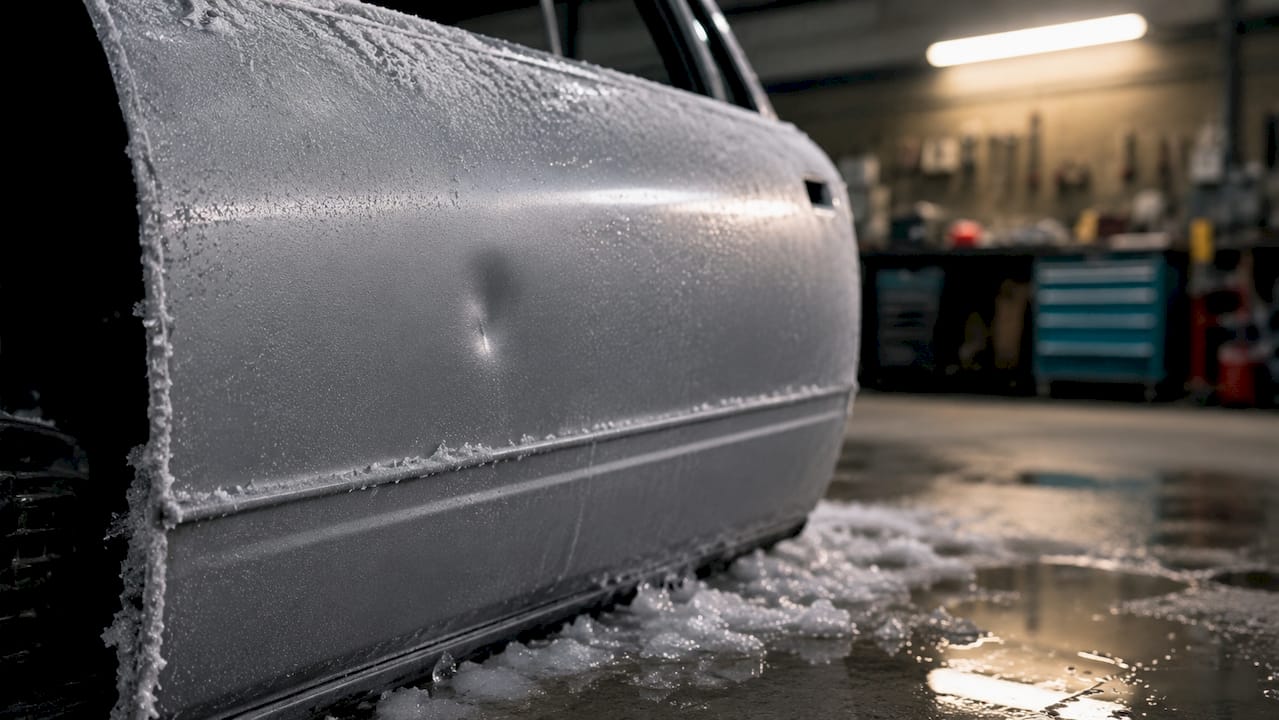
Cold also hardens the rubber seals and plastic trim around your panels. When those components stiffen, they transfer impact energy directly to the metal rather than absorbing any of it. The result is that a minor bump in January causes more damage than the same bump in July.
There is also a delayed damage effect that catches many car owners off guard. Metal contraction in cold weather can cause minor stress marks from a hail storm to worsen visibly over the following days. You may walk out to your car a week after a storm and find new dents that were not there before.
- Reduced elasticity: Metal below freezing cannot flex and recover from impact.
- Aluminum vulnerability: Modern aluminum panels lose 15–20% of their impact resistance in freezing conditions.
- Hardened trim: Stiff rubber and plastic transfer impact force directly to metal panels.
- Delayed damage: Stress marks from impacts can develop into visible dents days after the initial event.
Pro Tip: Park facing east in winter. Morning sun warms your hood and roof first, which slightly reduces panel brittleness before you drive into cold air.
Does hail actually cause dents, and how bad can it get?
Hail is the most direct weather cause of vehicle dents, and the damage threshold is lower than most car owners expect. Hailstones 1 inch or larger commonly cause visible dents, but smaller stones propelled by winds up to 60 mph can dent aluminum panels and crack glass. Size alone does not determine damage. Wind speed is the real multiplier.
Wind speed exponentially increases the kinetic energy of a hailstone. A stone that bounces harmlessly off a parked car in still air can punch a clean dent when driven sideways by a 50 mph gust. That is why the same storm produces wildly different results depending on your car's orientation and exposure.
Motion makes it worse. Driving into a hailstorm increases the relative impact velocity, making even small hail significantly more damaging. If you are caught in a hail event while driving, pulling under an overpass or into a covered parking structure is the single most effective thing you can do.
Falling ice from buildings is a separate and underappreciated threat. Ice falling from overhanging structures in winter can create severe dents on parked vehicles, often worse than hail because the mass of a falling ice chunk far exceeds that of a hailstone. Parking away from building overhangs and roof edges in winter is a simple habit that prevents serious damage.
Repeated hail impacts also damage paint, and cracked or chipped paint opens the door to rust. Rust spreads beneath the surface and turns a cosmetic dent into a structural repair problem within one to two seasons if left untreated.
When and where are dent risks highest?
Dent risk follows a clear seasonal and geographic pattern, which means you can plan around it. 85% of US hail events occur between may and august, concentrated in the central US hail belt stretching from Texas through Nebraska. If you live in that corridor, summer is your highest-risk window for vehicle damage from hail.
Fall brings a different set of threats. Falling acorns, branches, and seed pods from trees are a genuine source of dents, particularly for cars parked under mature trees. The impact energy from a large acorn or a dead branch dropping even 20 feet is enough to mark a hood or roof panel.
Winter shifts the risk profile again. Ice hazards from buildings and other vehicles combine with one often-overlooked factor: crowded parking lots. Approximately 50,000 parking lot accidents occur annually, and the rate climbs during the holiday season when lots are packed and drivers are distracted. Shopping cart impacts and door dings in tight winter parking lots account for a meaningful share of weather-season dent claims.
Regional dent risk by season
| Season | Primary threat | Highest-risk regions |
|---|---|---|
| Spring | Wind-driven debris, early hail | Central and southern US |
| Summer | Hail storms | Texas, Oklahoma, Kansas, Nebraska |
| Fall | Falling branches, acorns | Wooded suburban and rural areas |
| Winter | Ice, crowded parking lots | Northern states, urban centers |
Understanding this pattern lets you adjust your parking habits and protective measures before the risk peaks, not after your car already has dents.
How to protect your car from weather-related dents
Prevention is cheaper than repair, and most effective prevention strategies cost nothing beyond a change in habit.
-
Park in covered or sheltered areas. A garage or covered parking structure eliminates hail risk entirely. If you do not have access to covered parking at home, identify covered public lots near your workplace and use them during storm season.
-
Use a quality car cover during hail season. A padded car cover rated for hail protection absorbs impact energy and prevents direct contact between hailstones and your panels. This is especially useful for car owners in the central US hail belt between may and august.
-
Clear snow and ice gently. Scraping ice off panels with a hard plastic scraper applies localized force to cold, brittle metal. Use a soft-bristle brush for snow and a foam-padded ice scraper for ice. Never use a metal tool on a painted panel in freezing temperatures.
-
Increase following distance in storms. Road debris thrown up by vehicles ahead of you is a direct source of dents and paint chips. Adding extra following distance in heavy rain or wind gives you time to avoid debris before it hits your hood.
-
Inspect your car after every significant storm. Early detection matters because prompt dent repair prevents worsening damage from temperature fluctuations and moisture intrusion. A dent you catch and repair in october costs less than the same dent left through a full winter.
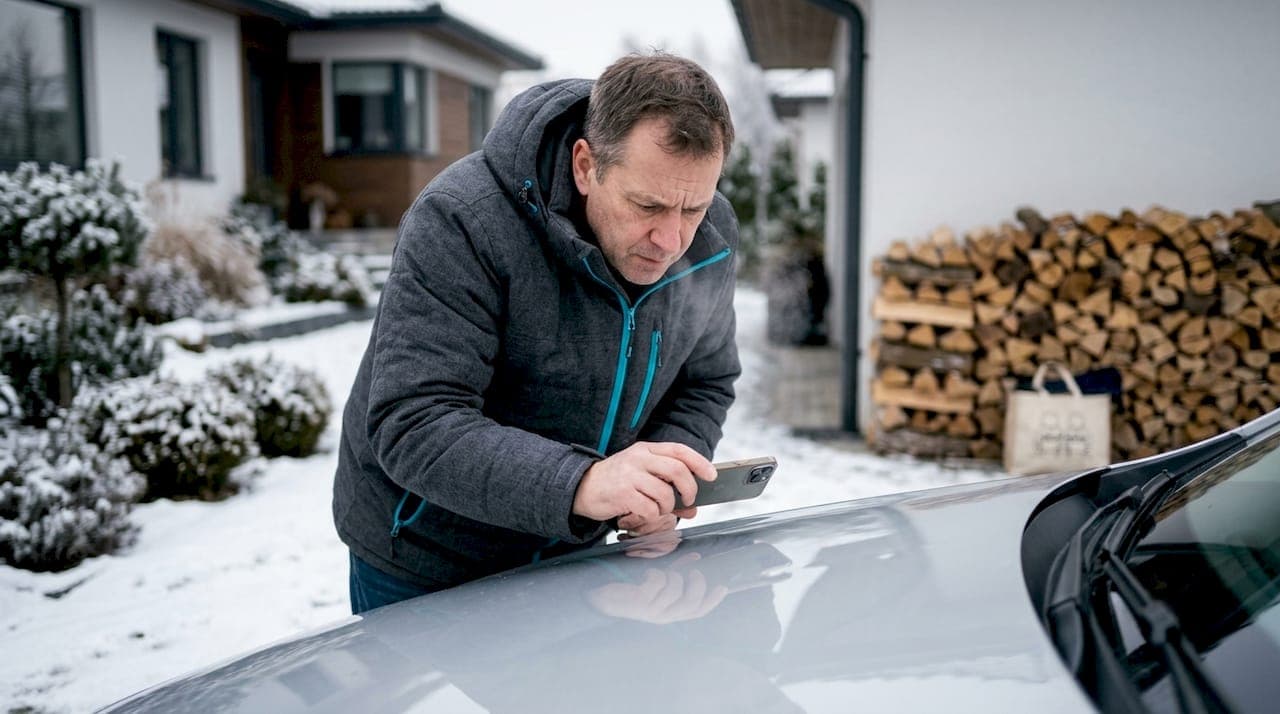
Pro Tip: After a hailstorm, photograph your entire vehicle in natural daylight before moving it. Angled light reveals shallow dents that are invisible in flat lighting. Those photos become your insurance documentation.
How weather affects dent repair costs and insurance claims
Weather does not just cause dents. It also makes them more expensive to fix. Paintless dent repair costs rise 15–25% during cold weather because brittle panels require more careful technique and longer working times. Technicians must warm panels before manipulating them, which adds labor time and complexity.
Insurance claims for dent damage increase approximately 40% in winter months. That spike reflects both the higher frequency of weather events and the greater severity of damage when metal is cold and brittle.
Filing a claim effectively requires documentation. The key steps are:
- Photograph damage immediately after the weather event, before any repair attempts.
- Note the date, time, and weather conditions to establish the cause of damage.
- Get a written repair estimate before contacting your insurer. Insurance claim decisions depend heavily on the ratio of your deductible to the repair estimate. If the estimate is close to your deductible, paying out of pocket may protect your premium.
- Avoid delaying repairs. Cold weather causes stress marks to worsen over time. A repair that costs $300 in november can become a $500 repair by february if temperature cycling deepens the damage.
Understanding the factors that affect repair costs before you file a claim puts you in a stronger position to make the right financial decision.
Key Takeaways
Weather causes vehicle dents through two mechanisms: physical impacts from hail, ice, and debris, and the metal brittleness that cold temperatures create, making every impact more damaging and every repair more costly.
| Point | Details |
|---|---|
| Cold increases dent risk | Metal below 32°F loses up to 30% elasticity, making panels far more vulnerable to permanent dents. |
| Hail damage depends on wind | Wind speed multiplies hailstone kinetic energy exponentially; even small hail causes dents in high winds. |
| Seasonal patterns are predictable | 85% of US hail events occur may through august; winter adds ice and parking lot risks. |
| Prevention is habit-based | Covered parking, car covers, and gentle snow removal eliminate most weather dent risks at zero cost. |
| Repair timing affects cost | Cold weather raises paintless dent repair costs 15–25%; delaying repairs lets damage worsen through temperature cycles. |
What I've learned from watching car owners underestimate weather damage
Most car owners think about weather damage reactively. They see a dent after a storm and deal with it then. What I have found is that the owners who come out ahead are the ones who treat weather dent risk the same way they treat oil changes: as a scheduled, predictable part of owning a car.
The biggest misconception I see is that only large hail causes real damage. A golf-ball-sized hailstone is dramatic and obvious. But the cars I see with the most extensive damage often got hit by marble-sized hail in a 60 mph wind. The physics are unforgiving, and the dents are just as real.
The second misconception is that a dent is just cosmetic. It is, until the paint cracks. Once moisture gets under the paint, rust starts, and rust does not stay in one place. A $200 paintless dent repair in october becomes a $1,500 body panel replacement by spring if you ignore it through a wet winter.
My honest advice: inspect your car after every storm, not just the dramatic ones. Walk around it in good light and look at the hood and roof from a low angle. Those are the panels that take the most hail impact. If you find dents, get them assessed before the next cold snap. The repair window matters more than most people realize.
— Martin
Weather-damaged vehicles deserve professional attention
Hail season and winter storms leave their mark on thousands of vehicles every year. The good news is that most weather-related dents, even clusters of hail impacts across a hood and roof, are candidates for paintless dent repair without painting or fillers.
Dent-boys specializes in exactly this type of repair. Their process handles cold-weather dents that require careful panel warming and precise technique. Every repair comes with a lifetime warranty, and Dent-boys offers free estimates, pick-up and delivery, and a $0 deductible option so you are not paying out of pocket while waiting on your insurer. If your car took a hit this season, getting a professional assessment now prevents the damage from deepening through the next temperature swing.
FAQ
What size hail causes car dents?
Hailstones 1 inch or larger commonly cause visible dents, but smaller hail driven by winds up to 60 mph can dent aluminum panels and crack glass.
Does cold weather make existing dents worse?
Yes. Metal contraction below freezing causes stress marks from prior impacts to worsen over days or weeks, creating new visible dents from damage that seemed minor at first.
How can I prevent dents from rain and storms?
Park in a covered structure during storm season, use a padded car cover rated for hail protection, and avoid driving into active hailstorms since motion increases impact severity.
Why do insurance claims spike in winter?
Insurance claims for dent damage rise approximately 40% in winter because cold metal is more brittle, damage is more severe per impact, and ice and crowded parking lots add new dent sources.
Can weather dents be repaired without repainting?
Most weather-related dents, including hail damage across multiple panels, qualify for paintless dent repair, which restores the panel without paint or filler and costs significantly less than traditional bodywork.