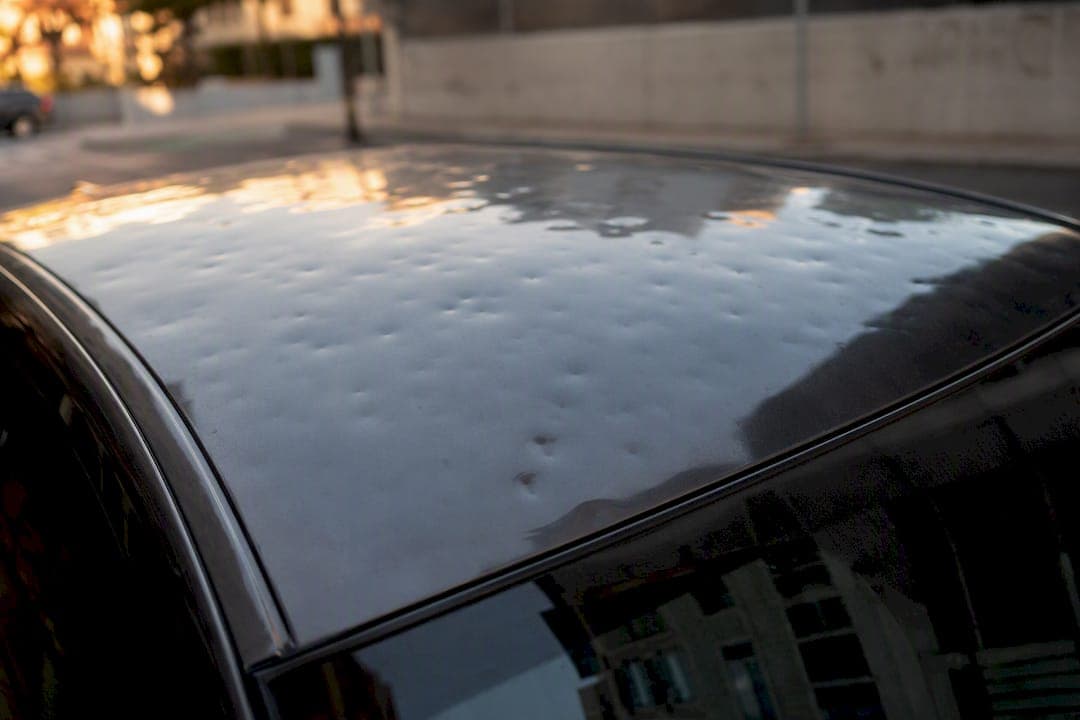
Buy or accept delivery only if the damage is fixable with paintless dent repair, the title stays clean, and you get a real price concession plus a written repair warranty. If the car has a branded title, cracked glass, or structural damage, walk away. Everything else is a negotiation, not a dealbreaker. Check the details in the checklist below before you sign anything.
TL;DR:
- A hail-damaged car is worth considering if the damage is fixable with paintless dent repair, stays unbranded, and is offered with a repair warranty and price concession.
- Large numbers of dents or those larger than a golf ball on vertical panels indicate higher repair costs and more complex work, affecting the vehicle's value.
- Insurance claims should be filed promptly, with independent inspections to verify damage, especially since photo estimates can undercount subtle dents.
- Repainting or panel replacement becomes necessary when paint is cracked, metal stretched, or damage is severe, significantly increasing costs.
- Buyers should verify no title branding or structural damage, demand proper documentation, and consider independent inspections before finalizing any hail damage purchase.
Table of Contents
- New Car Hail Damage: Your Decision Checklist
- How Hail Damage Affects a New Car
- Repair Options: When PDR Works and When It Doesn't
- Insurance Claims and Title Effects You Need to Know
- How to Inspect a Hail-Damaged Vehicle Before You Buy
- Dealer Negotiation: What to Demand Before You Sign
- What a Quality PDR Provider Should Offer
- Dent Boys: A Direct Path Forward If You're Keeping the Car
- Martin's Take: When I'd Actually Say Yes to This Deal
- Sources
New Car Hail Damage: Your Decision Checklist
The math on a hail-damaged car comes down to three things: how bad the damage actually is, what it costs to fix, and what the dealer is willing to give up in price. Get those three answers before you get emotional about the deal.
Count the dents and note where they are. A car with 15 to 20 shallow dents scattered across the roof and hood is a straightforward PDR job, often finished in one to two days. A car with dents on doors, quarter panels, or anywhere near a body line takes longer and costs more, because those panels have tighter curves that make dent removal harder. If you're counting more than 40 to 50 dents, or any dent larger than a golf ball on a vertical panel, you're looking at a bigger job and should ask for documentation on exactly what the shop plans to do.
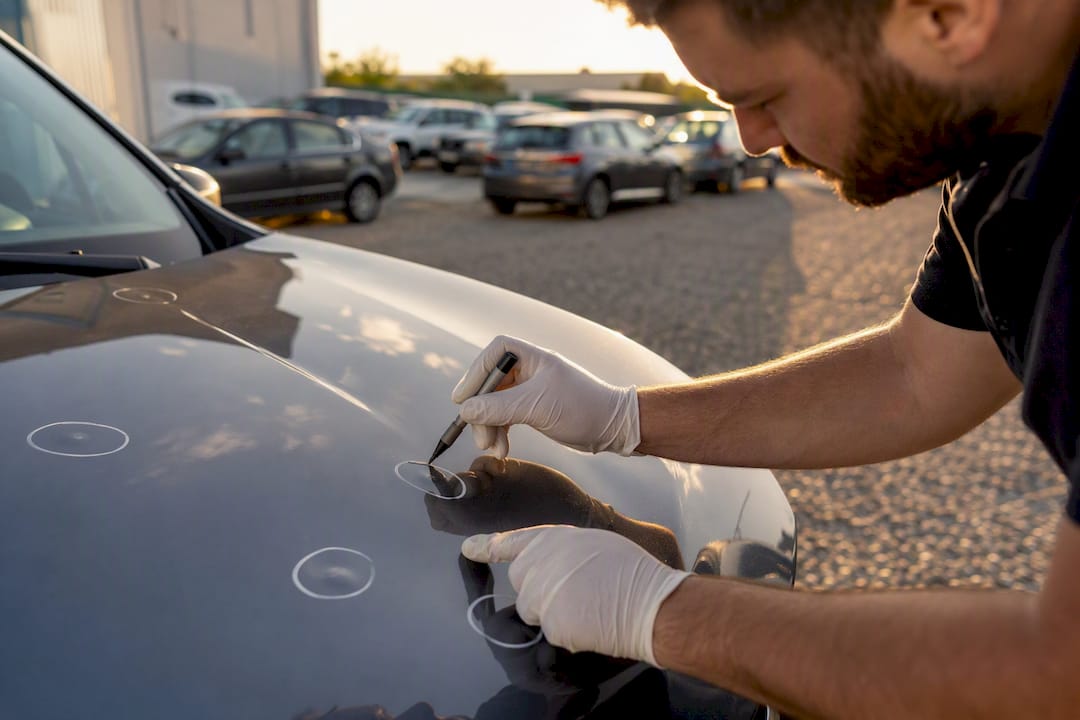
Know what a fair concession looks like. Dealers dealing with hail-damaged new inventory typically discount somewhere in the range of a few percentage points off MSRP for light cosmetic damage, more for anything requiring paintwork. If the "discount" barely covers the repair estimate itself, it's not a concession, it's just the dealer passing the cost to you.
Red flags that should stop the deal cold:
- A branded or salvage title anywhere in the vehicle history
- A lender who won't finance the vehicle because of prior damage disclosure
- An insurer who quotes a higher premium or declines coverage outright
- Any sign the windshield or side glass was replaced, not just inspected
Buyers who can reasonably consider a hail-damaged new car:
- Cash buyers who don't need financing approval and plan to keep the car long term
- Buyers who negotiate a concession that meaningfully exceeds the repair cost
- Collectors or enthusiasts who plan extensive detailing work anyway
- Fleet or business buyers less concerned with resale cosmetics
How Hail Damage Affects a New Car
Hail damage isn't one thing. It's a spectrum, and where your car falls on it determines whether you're looking at an afternoon fix or a five-figure repair bill.
Cosmetic dents are the shallow depressions you see on roofs and hoods, caused by hailstones striking flat, flexible sheet metal. These are the bread and butter of paintless dent repair, and in most cases the paint never cracked, so there's nothing to match or blend.
Clear-coat fractures and paint chips show up when the impact was hard enough to stress the paint layer itself, not just the metal underneath. This matters because PDR only works cleanly when the paint is intact. Once it's cracked, you're into repaint territory, which changes both the cost and the timeline.
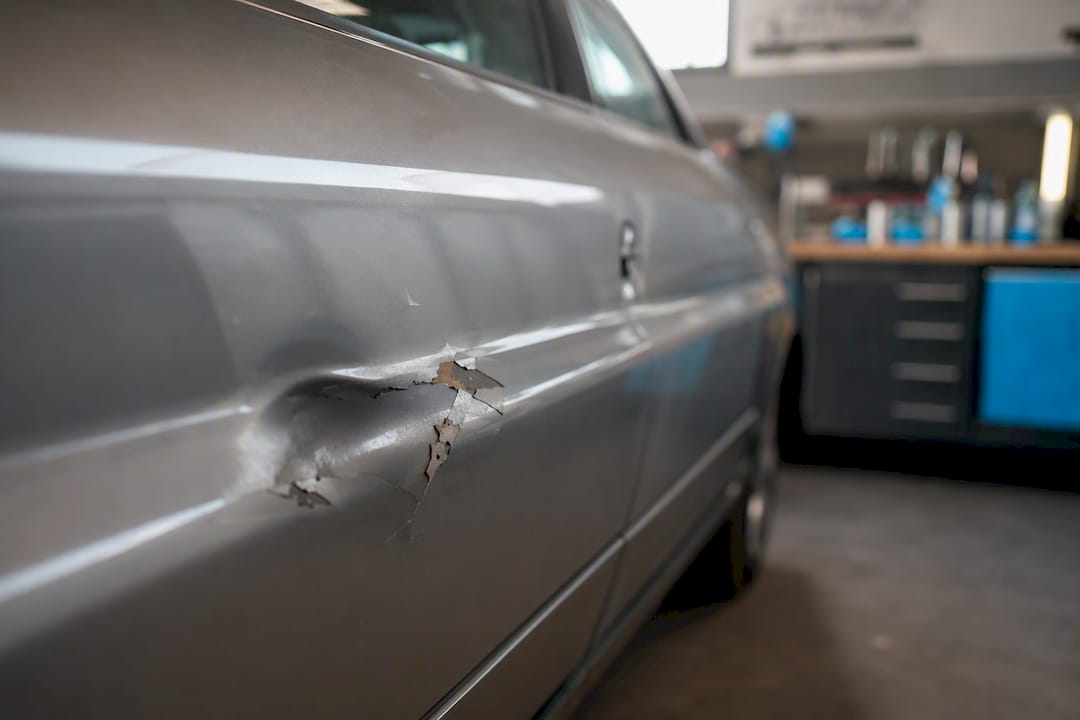
Structural or frame damage is rare from hail alone but can happen with large stones on thinner panels like hoods or trunk lids. Glass damage — cracked or pitted windshields and back glass — is common in severe storms and requires full replacement, not repair.
Larger hailstones, roughly the size of a hen's egg or bigger, tend to cause more severe damage than the smaller pea and dime-sized hail more typical of most storms. Bigger stones dent deeper, crack glass more often, and are more likely to stress paint past the point PDR can fix.
What buyers often miss: hidden failure modes. A hard enough impact can loosen plastic clips holding on trim pieces, crack rubber window moldings, or create micro-fractures in clear coat that aren't visible until the car sits in direct sun for a few weeks.
Regionally, this isn't a rare problem. NOAA recorded 4,437 hail storms across the United States in 2022, concentrated heavily in Texas, Nebraska, Minnesota, Kansas, and South Dakota. If you're shopping in one of those states, assume a meaningful share of new inventory has been through at least one hailstorm on the lot.
Repair Options: When PDR Works and When It Doesn't
Paintless dent repair is the preferred fix for the majority of hail damage, and for good reason: it preserves the factory paint and finish, which IBHS notes matters directly for maintaining the car's original value. A technician works the metal from behind the panel using specialized tools, pushing the dent back out without touching the paint at all. No sanding, no primer, no color match, no risk of a repaint looking slightly off under certain light.
PDR works when two conditions are met: the paint hasn't cracked, and the metal hasn't stretched past its elastic limit. Skilled technicians using proper lighting rigs can detect indirect and hidden damage that a quick visual inspection misses, which is part of why the quality of the shop matters as much as the method itself. Our own explanation of how dent repair without painting works covers the mechanics in more detail if you want the full picture.
Repainting or panel replacement becomes unavoidable when:
- The paint has visibly cracked or chipped at the impact point
- The metal has stretched, leaving a crease PDR tools can't push back to flat
- Damage sits directly on a sharp body line, where even minor stretching is visible
- A panel is dented deeply enough that reshaping it would thin the metal too much
Glass replacement is its own category entirely. There's no repair option for a cracked windshield the way there is for metal. Expect one to two days for glass replacement scheduling and installation, and expect it to be billed and handled separately from your PDR estimate.
Pro Tip: Ask any shop quoting a "hail repair" whether that price includes glass. Many estimates only cover body panels, and buyers get blindsided by a separate windshield bill weeks later.
Rough cost bands to expect: light PDR on a handful of shallow dents often runs a few hundred dollars per panel. Heavy PDR across a whole vehicle with dozens of dents climbs into four figures. Once you're into repaint or panel replacement, costs jump substantially because you're paying for labor, materials, and paint matching on top of the dent work itself. Insurance typically treats all three tiers as a single comprehensive claim, but the payout structure differs: PDR-only claims are usually settled faster than anything requiring a body shop and paint booth. Our guide on dent repair versus panel replacement breaks down that decision further, and it's worth reading before you agree to either path.
Insurance Claims and Title Effects You Need to Know
Comprehensive coverage is what pays for hail damage, not collision and not liability. Comprehensive covers non-collision events like weather, theft, and falling objects, which is exactly the category hail falls into. If a policy has comprehensive coverage, hail damage should be covered regardless of who owns the car when the storm hits.
Timing matters more than most buyers realize. Here's the practical sequence to follow:
- File promptly. Hail damage doesn't get worse sitting untouched, but delayed claims invite scrutiny and make it harder to prove the damage happened during a specific storm.
- Don't accept a photo-only estimate as final. Insurance workflows increasingly rely on photo-first, AI-assisted damage assessments that can undercount subtle dents, especially shallow ones that don't show up well in flat lighting.
- Get an independent PDR inspection and submit a supplement if the insurer's count is low. A trained technician working under raking light will find dents a phone camera misses entirely.
The claim playbook has genuinely shifted. Insurers process hail volume faster now using photo estimates and algorithmic review, which means the burden has shifted to policyholders to catch what gets missed. An independent, in-person inspection before you accept a settlement isn't optional anymore. It's the only way to know you're not leaving money on the table.
Total-loss decisions come down to a simple ratio: if the estimated repair cost exceeds a set percentage of the car's value, insurers typically total it out, and state salvage laws then require a branded title. That branding follows the car permanently through title history, and it depresses resale value and complicates financing for the next owner even after full repair. That's a very different outcome than a repaired car with a clean title, which is why the title status matters more than the repair quality itself when you're deciding whether to buy. Our piece on hail damage and salvage titles walks through exactly how that designation happens and what it means downstream.
One practical reassurance: filing a hail claim on your own policy generally doesn't raise your individual rate the way an at-fault collision would, since hail is an act-of-nature event outside your control. Large regional hailstorms can still push up rates market-wide over time, but that's a separate effect from your personal claims history.
How to Inspect a Hail-Damaged Vehicle Before You Buy
Do this inspection in daylight, ideally overcast or early morning when raking light shows dents without the glare a bright sun creates.
- Photograph every angle in sequence: front, driver side, rear, passenger side, roof from a raised position if possible, with wide shots first and close-ups second.
- Get date and time stamps on every photo, either through your phone's metadata or a visible timestamp, since this becomes evidence if you negotiate later.
- Work panel by panel: roof, hood, trunk, both fenders, all four doors, both mirrors, then glass last.
- Run your hand flat across suspect panels. Dents that are hard to see are easy to feel; your palm catches shallow depressions your eyes miss.
- Check interior trim and headliner near the roofline for any signs of prior water intrusion if glass was ever compromised.
Ask the dealer directly: Was a hail claim filed on this VIN? Who performed any repairs, and is there a warranty on that work? Is there any title branding on record?
Pro Tip: If a dealer hesitates or gives a vague answer about prior hail repair, that hesitation is itself information. Legitimate PDR work comes with paperwork; dealers proud of the repair quality will hand it over without pushback.
Insist on an independent PDR technician's inspection before finalizing anything, especially on a car with any visible or disclosed hail history. AAA specifically recommends using ASE-certified technicians for exactly this reason: repair quality varies enormously between shops, and a rushed job shows up later as uneven panel reflection or rattling trim.
Dealer Negotiation: What to Demand Before You Sign
Dealers with hail-damaged lot inventory usually have a standard workflow: file a claim, get panels repaired through a contracted PDR shop, then sell the car at full or near-full price with minimal disclosure unless a buyer asks directly. That's legal in most cases as long as no title branding occurred, but it puts the burden of discovery entirely on you.
Before agreeing to buy, demand:
- A documented PDR warranty in writing, not a verbal assurance
- Before-and-after photos from the shop that did the repair
- A written price concession reflecting the actual repair cost, not a token discount
- Confirmation of clean title status, verified independently through a title history check
Negotiation leverage works in your favor here more than dealers like to admit. Reasonable asks include swapping for an undamaged unit from another allocation, requesting a fresh factory order, or holding firm on a discount that actually reflects the repair scope. One recurring theme across buyer forums discussing hail damage before delivery is that buyers who push back on undisclosed hail damage generally get either a better price or a replacement vehicle. Refusing delivery outright is the right call any time the dealer won't document repairs in writing or won't budge on price for damage they didn't disclose upfront.
What a Quality PDR Provider Should Offer
Not every PDR shop operates the same way, and the gap between a rushed job and a thorough one shows up months later in resale value. Dent Boys built its process around removing the guesswork buyers face after a hail claim.
- Free estimate before you commit to anything, so you know the scope before signing off on repairs
- Pick-up and delivery, meaning you don't lose a week without a car
- A rental vehicle option during the repair window
- $0 deductible support when the claim runs through insurance
- A lifetime warranty on completed PDR work
When vetting any PDR provider, ask specifically about experience handling insurance supplements, willingness to provide documented before-and-after evidence, and whether the warranty is written, not just promised. Dent Boys handles the insurance supplement conversation directly with adjusters when photo-first estimates undercount damage, and most straightforward hail jobs finish within a few days.
Dent Boys: A Direct Path Forward If You're Keeping the Car
If you've decided the damage is fixable and the price is fair, the next move is getting an accurate repair estimate, not guessing. Dent Boys specializes in paintless dent repair for exactly this situation: hail-damaged new and lightly used vehicles where the goal is restoring factory condition without a repaint that could hurt resale value down the line.
The process starts with a free estimate, whether you're evaluating a car you already own or one you're about to buy. If insurance is involved, Dent Boys coordinates the supplement process directly, which matters given how often photo-first estimates undercount hail dents. During the repair window, you get a rental vehicle so the car being off the road doesn't disrupt your week, and every completed repair carries a $0 deductible option and a lifetime warranty. If a dealer's repair work looks rushed or a claim adjuster's number seems low, request a second opinion. Reach out to Dent Boys for a free estimate before you finalize any purchase involving hail damage, or before you accept an insurance settlement that doesn't match what your car actually needs.
Martin's Take: When I'd Actually Say Yes to This Deal
I'd only accept a hail-damaged new car under two conditions: a clean title, and a concession that clearly exceeds the repair estimate, not one that just covers it. Everything else is negotiable friction, not a real dealbreaker.
Good PDR work, done by someone who knows what they're doing, restores a car to a state where you genuinely can't tell it happened. I've seen enough of that outcome to trust the method when the shop is right. What I don't trust is a dealer's word without paperwork. Get the documentation, get an independent inspection, and only then decide.
— Martin
Sources
- NOAA / SPC 2022 annual summary
- IBHS — Hail resources and damage guidance
- AAA — Hail damage to your car: Everything you need to know
- Nerdbot — The hail claim playbook has changed