
The mistakes that cost drivers the most money are policy misunderstandings, delayed reporting, weak documentation, casual admissions of fault, accepting a fast settlement, delayed medical care, unnoticed CLUE report errors, and inconsistent statements or social media posts. Fix the ones you can control in the first hour.
Do this now:
- Call 911 if anyone is hurt or the road isn't safe.
- Photograph the scene, all vehicles, plates, and damage close-ups.
- Get names, phone numbers, and insurance info from everyone involved, plus at least one witness.
- Say only what happened, not who caused it.
- Get checked medically, even if you feel fine.
- Call your insurer within the window your policy requires—usually within a short time after the accident, as specified in your policy.
Key Takeaways
Most denied or reduced auto insurance claims trace back to weak documentation, careless statements, or accepting an offer before checking the real cost.
| Point | Details |
|---|---|
| Read your declarations page | Confirm limits, deductibles, and add-ons like rental reimbursement before you need them. |
| Report within your policy window | Notify your insurer within a short time after the accident, as specified in your policy to avoid disputes over delayed timelines. |
| Document everything immediately | Photograph the scene, damage, plates, and VIN, and save repair estimates and medical records. |
| Watch your words at the scene | Stick to facts, not apologies or guesses, when talking to police or adjusters. |
| Get an insurer-ready estimate for dent or hail damage | Dent-boys itemizes PDR versus replacement so adjusters process claims without back and forth. |
Table of Contents
- Misreading Your Policy Before You Even File
- Waiting Too Long to Report the Accident
- Submitting a Claim With Weak Documentation
- What Not to Say to an Adjuster, Witness, or Police Officer
- Taking the First Settlement Offer Without Checking the Math
- Skipping the Doctor and Regretting It Later
- Missing Deadlines and Ignoring Errors on Your Claim Record
- Why What You Post Online Can Undo Your Claim
- How Hail and Dent Claims Work Differently
- Getting Your Dent or Hail Claim Handled Without the Runaround
- Where to Learn More and Get Help
- Frequently Asked Questions
- Sources
Misreading Your Policy Before You Even File
Most claim disputes start before the accident, back when the policy was signed and nobody actually read it. "Full coverage" isn't a real coverage type. It's marketing shorthand for liability plus comprehensive and collision, and it still comes with limits, deductibles, and exclusions that vary by state and insurer, according to Oregon's Division of Financial Regulation. Rental reimbursement, gap coverage, and personal injury protection often require separate purchase and are not automatically included, and a lot of drivers assume otherwise until they're stuck paying for a rental out of pocket, a pattern Family Features' insurance myth roundup flags repeatedly.
Pull your declarations page and check four things: your liability limits, your deductible per coverage type, your endorsements, and your effective dates. Photograph it and save it somewhere you can find fast.
- Confirm rental reimbursement and gap coverage separately. They're rarely bundled.
- Note your deductible for comprehensive versus collision. They're often different.
- Check whether your policy requires a police report for claims over a certain dollar amount.
Pro Tip: Call your agent and ask, "Can you confirm my current limits, deductible, and any endorsements on this policy in writing?" That gets you a paper trail instead of a verbal guess.
Waiting Too Long to Report the Accident
Every day you wait, memories fade, damage details blur, and the insurer starts wondering why you sat on it. Most policies require prompt notice, with specific timeframes that vary; check your policy details to confirm
- On scene: exchange info, photograph everything, call police if there's injury, major damage, or a hit and run.
- Within 24 to 72 hours: call your insurer directly, not just the other driver's carrier, and get a claim number.
- Within 7 to 30 days: submit documentation, follow up on the police report number, and confirm your adjuster assignment.
- Report to the police first if required, then call your own insurer the same day.
- Use this line when you call: "I'd like to report an accident from [date] and open a claim."
Submitting a Claim With Weak Documentation
Adjusters work off what they can verify. A thin file with no photos and a fuzzy memory of what happened gets a lower, slower payout than a file with dates, names, and pictures attached to it.
Build a photo set that covers the whole story, not just the dent:
- Wide shots of the scene, all vehicles in their final resting positions, and the road or intersection.
- Close-ups of every damaged panel, license plates, the VIN, and the odometer.
- The police report number, witness names and numbers, and repair shop estimates.
- Medical records, prescriptions, and any rental car receipts.
- Create one folder per claim, named with the date and claim number.
- Add dated subfolders for photos, receipts, and correspondence.
- Back it up to cloud storage the same week you open the claim.
A well-organized file speeds up review and gives the adjuster fewer reasons to ask for more before they'll cut a check.
What Not to Say to an Adjuster, Witness, or Police Officer
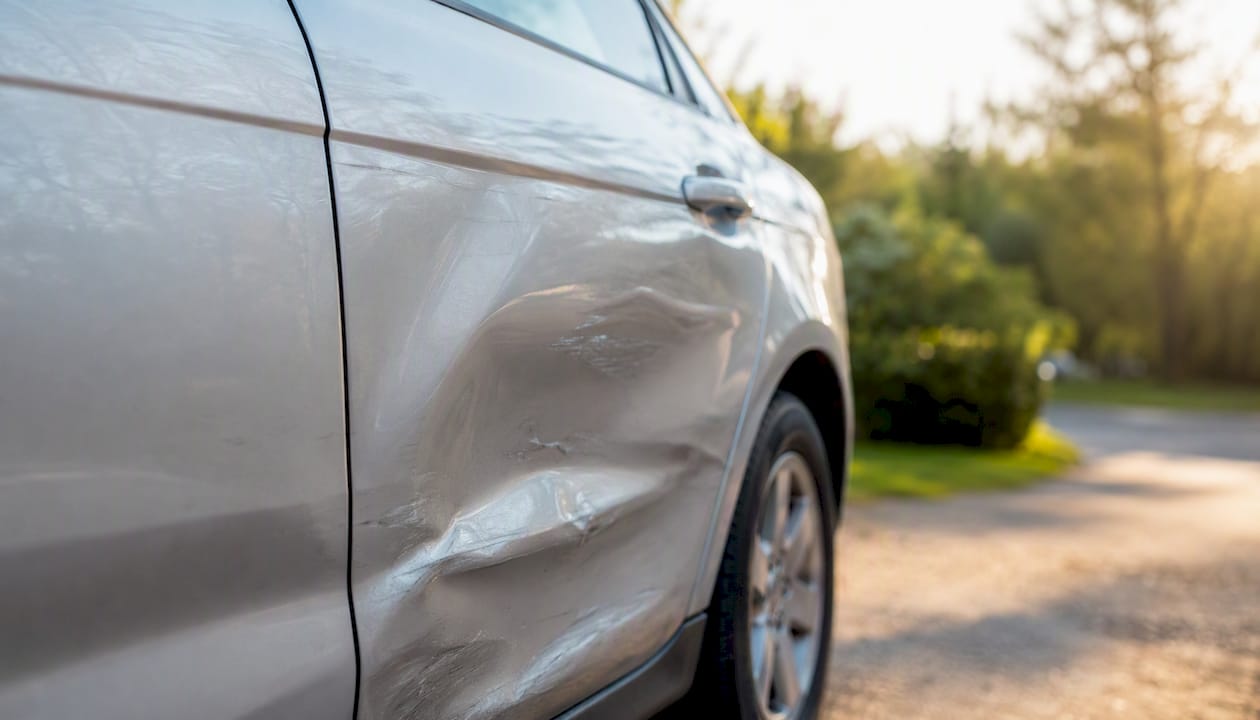
Casual words carry legal weight the moment they leave your mouth at an accident scene. Saying "I'm sorry" or "I think I was going too fast" can be logged as an admission of liability and used to reduce or deny your claim, according to GLS Injury Law. Even "I'm fine" can come back to haunt you if symptoms show up two days later, a pattern AOL's claims coverage has documented repeatedly.
Stick to facts, not conclusions:
- To police: "Here's what I saw and where my car was."
- To witnesses: "Can I get your name and number in case the insurance company needs to reach you?"
- To adjusters: "I'll answer factual questions, but I'd like time before giving a recorded statement."
You can politely decline a recorded statement until you've had time to think, or until you've talked to a lawyer.
Pro Tip: If new symptoms or facts come up later, update your insurer in writing and reference your original statement. Don't just add new details verbally. That keeps your record consistent instead of contradictory.
Taking the First Settlement Offer Without Checking the Math
Insurers sometimes move fast on early offers, and fast isn't the same as fair. A quick check might undercount future medical visits, lost wages, or the real repair cost, leaving you to cover the gap later, a risk NWOGBE Law Group points out often gets missed until it's too late.
Before signing anything, run through this:
- Does the offer cover your deductible, or does it assume you'll absorb it?
- Have you finished medical treatment, or could more bills show up?
- Does the repair estimate match what a shop actually quoted you?
- Is there a gap balance on a loan that the offer doesn't touch?
If any answer is "not sure," ask for more time. A red flag worth remembering: any offer that arrives before you've seen a doctor or gotten a second repair estimate is a signal to slow down, not sign.
Skipping the Doctor and Regretting It Later
Delaying medical care doesn't just risk your health. It creates a gap in the timeline that insurers use to argue your injury came from something else. Even soft tissue pain that feels minor on day one can turn into a documented problem by day five, and by then the causation argument gets harder to win.
- Get evaluated within 24 to 48 hours, even for symptoms that seem mild.
- Ask your provider for visit notes, imaging reports, and a written treatment plan.
- Request copies of every record and bill as you go, rather than trying to gather them all at the end.
Missing Deadlines and Ignoring Errors on Your Claim Record
Two clocks run at once after an accident: your insurer's internal reporting window, and the legal statute of limitations for filing a lawsuit if needed. Miss either one and you can lose your right to recover anything at all.
- Check your policy for the exact notice deadline, then mark it on your calendar the day of the accident.
- If a claim gets denied, read the denial letter for the appeal window and file before it closes.
- Pull your CLUE report once a year and scan the cause of loss code, the paid amount, and any at fault flag.
CLUE errors are common enough to matter. Duplicate entries, wrong codes, or incorrect payout information can increase your premiums, and Carsavr's guide to reading CLUE reports walks through how to file a targeted dispute with LexisNexis or the reporting carrier.
Pro Tip: When disputing a CLUE error, cite the specific field that's wrong, the cause of loss code, the at fault flag, or the paid amount, instead of writing a general complaint. Specific disputes move faster.
Why What You Post Online Can Undo Your Claim
Insurers do look at social media, and social media posts that contradict injury claims have been used by insurers to challenge damages, according to NWOGBE Law Group.
- Pause public posting until the claim closes, or at least keep it private.
- Never post about physical activity that could contradict a medical claim.
- Keep one running timeline document and update it the moment facts change, rather than relying on memory.
Pro Tip: Set your accounts to private and save any messages related to the accident. Deleted texts look worse than inconvenient ones.
How Hail and Dent Claims Work Differently
Hail and dent claims run on their own logic. Paintless dent repair, or PDR, pushes the metal back into shape without cutting into the factory paint, and insurers often favor it because it costs less than panel replacement and keeps the original finish intact, a distinction covered in Dent Boys' guide on car appearance upgrade options.
Document hail damage the same way you'd document a collision: wide shots of every panel, close-ups of individual dents, the VIN, and pre-storm photos if you happen to have any. An insurer-ready estimate should itemize parts versus labor and specify PDR versus replacement for each panel, not lump the whole job into one number.
- Ask the shop for a written, itemized estimate before you approve anything.
- Confirm whether $0 deductible options apply to your policy before assuming they don't.
Pro Tip: Ask your repair shop directly, "Can you break this estimate into parts, labor, and PDR versus replacement, panel by panel?" That's the format adjusters move through fastest.
The most common avoidable problems we see
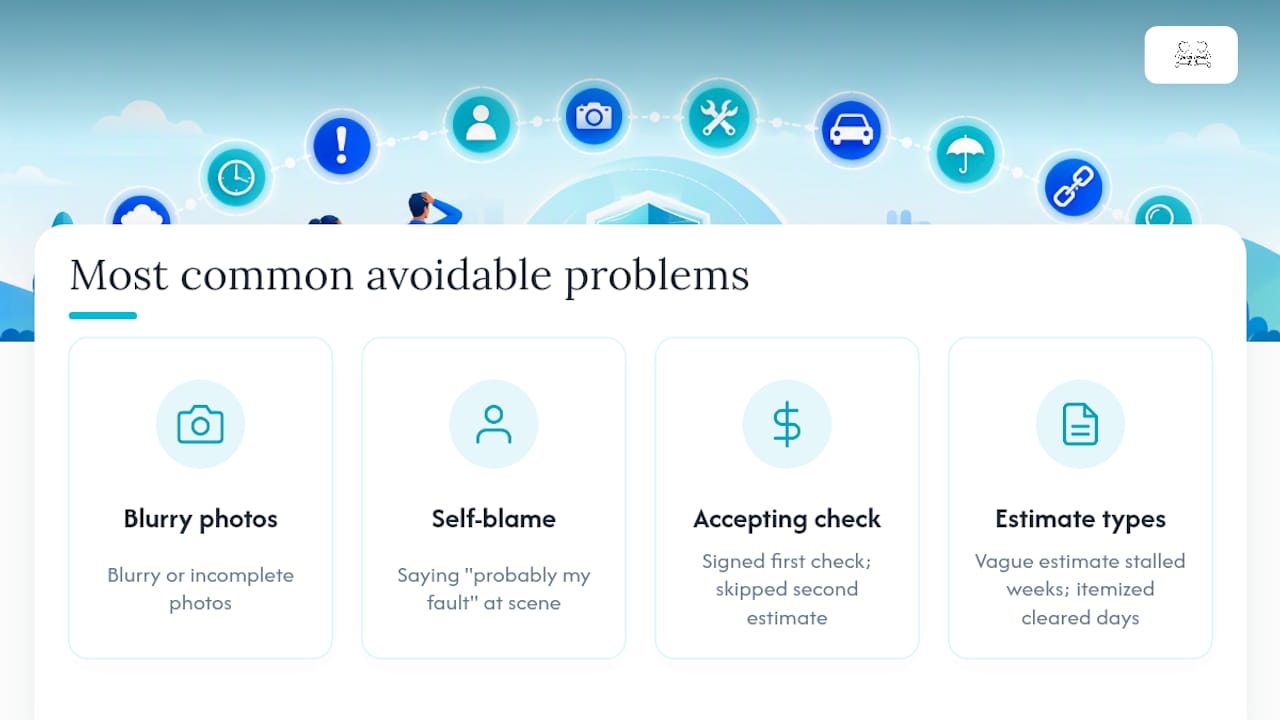
The same three mistakes show up over and over: blurry, incomplete photos; a casual "it was probably my fault" at the scene; and signing the first check offered without checking a second estimate. One driver's hail claim stalled for weeks over a vague estimate that didn't separate PDR from replacement costs. A rewritten, itemized version cleared in days. None of that required a lawyer. It just required slowing down for ten minutes before hitting send.
Getting Your Dent or Hail Claim Handled Without the Runaround
Dent-boys removes the one headache that drags out hail and dent claims longer than anything else: estimates insurers have to send back for clarification. Every job comes with a free estimate broken down the way adjusters expect it, itemized by panel, PDR versus replacement, parts versus labor, so there's nothing to bounce back and forth over email.
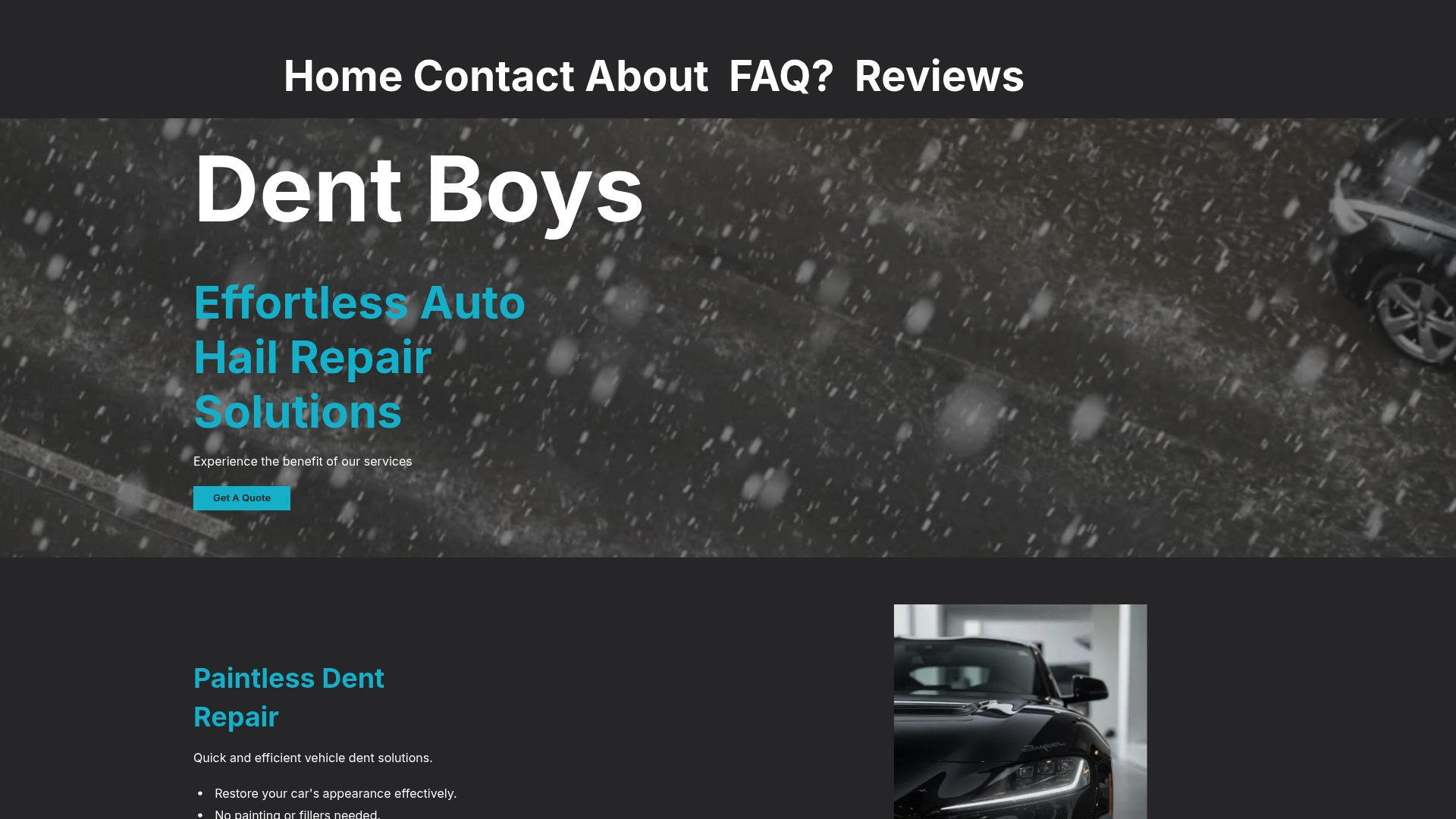
Dent-boys also handles pickup and delivery, coordinates $0 deductible options directly with your insurer, and arranges a rental car so you're not stuck without a vehicle mid-repair. Every repair carries a lifetime warranty. Before you book, ask what documentation the shop sends your adjuster and confirm it matches your claim number. Start with a free estimate from Dent-boys and get your hail or dent claim moving without the back and forth.
Where to Learn More and Get Help
- Your state's Department of Insurance publishes coverage myths and complaint procedures specific to your state.
- The NHTSA tracks recalls that may be relevant to accident causation.
- The CFPB accepts complaints against insurers who mishandle claims.
- LexisNexis CLUE guidance explains how to pull and dispute your claim history report.
Consult an attorney if a denial seems unjustified, injuries are significant, or a deadline is closing in fast.
Frequently Asked Questions
What's the most common mistake people make when filing an auto insurance claim? Weak documentation and casual statements at the scene top the list. Photos, witness contacts, and factual language protect your claim more than anything else you do in the first hour.
How fast do I need to report an accident to my insurer? Most policies require prompt notice, often within a short time after the accident, as specified in your policy, though the exact window is listed in your policy. Check your declarations page rather than assuming.
Can something I say at the scene really hurt my claim? Yes. Phrases like "I'm sorry" or "I think I was at fault" can be logged as admissions of liability and used to reduce your payout, according to GLS Injury Law.
Should I accept the first settlement offer? Not without checking it first. Compare it against outstanding medical costs, repair estimates, and any gap balance before signing anything.
What is a CLUE report, and why does it matter? It's your claim history record used by insurers to set premiums. Errors like duplicate entries or wrong codes are common, and you can dispute them directly with LexisNexis or your carrier, per Carsavr's guide.
Does paintless dent repair affect my insurance claim differently than body shop repair? It often processes faster because it costs less and preserves the factory paint, but the estimate still needs to be itemized clearly for the adjuster to approve it quickly.
This article is general information, not a substitute for advice from a qualified financial advisor. Consult a qualified financial professional about your own circumstances before acting on anything here.
Sources
- Admitting fault in a car accident: what you need to know in Pennsylvania | GLS Injury Law
- Auto insurance CLUE report: how to read & dispute | Carsavr
- 5 insurance statements that can complicate an auto claim | AOL
- Common misunderstandings about car accident claims | NWOGBE Law Group, PLLC